Bathroom Sink Counters: Design, Functionality, and Care
Intro
When it comes to bathroom design, the sink counter can often steal the show. It’s a place where utility meets aesthetics, and the right choice can transform the experience of your bathroom space. A well-designed counter not only serves a purpose but also makes a statement. Whether you’re standing at the sink brushing your teeth or splashing water on your face, the surface you interact with every day holds significant importance. This guide aims to weave through the intricate tapestry of material selections, design choices, and practical advice for maintaining your bathroom sink counter.
A well-thought-out sink counter can elevate even the simplest of bathrooms, turning them into serene sanctuaries. By exploring distinct styles and getting an understanding of modern trends, homeowners can make informed choices that harmonize with their personal taste and practical needs. This is especially crucial in today’s world, where various styles blend together. Following along, readers will uncover practical tips for installation, maintenance, and perhaps even uncover alternative uses for bathroom counters that may not have crossed their minds.
The countertop experience is more than just aesthetics; it’s about how these surfaces contribute to the overall function of a bathroom. From material selections that boast durability to design elements that rouse emotions, this guide provides an essential resource for those yearning to enrich their bathrooms thoughtfully.
Intro to Bathroom Sink Counters
Understanding bathroom sink counters is not merely an exercise in aesthetics; it is an exploration of functionality, design, and personal expression. These fixtures sit at the intersection of utility and style, serving as a focal point in the often-overlooked sanctuary of one’s home. They represent both practical needs—such as countertop space and storage—and creative expression, allowing homeowners and designers to imbue a sense of personality into their bathrooms.
The significance of choosing the right sink counter goes beyond mere appearances. The materials used, the design chosen, and the functionality considered all play vital roles in enhancing the user experience while also impacting maintenance needs and longevity. Each element must be scrutinized to ensure a well-balanced solution that meets the unique needs of the user while resonating with the overall bathroom theme.
By diving deeper into the world of sink counters, we can appreciate how these elements have evolved, how they can be integrated within modern styles, and what practical considerations should be paid attention to during selection and installation. Thus, this comprehensive guide aims to equip homeowners, interior designers, decorators, DIY enthusiasts, and architects with the necessary insights to make informed choices about bathroom sink counters.
Definition and Importance
A bathroom sink counter can be simply defined as a flat surface surrounding the sink that supports various activities. It provides the space to place personal items—like toothbrushes, soap, and cosmetics—while also hosting the sink itself. Beyond this definition, its importance stretches into distinct realms of both functionality and style.
- Functional Aspect: The counter serves as the central hub where daily hygiene activities unfold. A well-designed surface can significantly enhance workflow, offering ample space for movement and organization.
- Stylistic Reflection: The sink counter acts as a canvas for expressing one’s taste. Whether one leans towards contemporary minimalism or ornate vintage styles, the choice of materials and design can transform a bathroom from mundane to magnificent.
In essence, selecting an appropriate sink counter is integral to both the aesthetic and practical aspects of bathroom design.
Historical Evolution of Sink Counters
The journey of bathroom sink counters is indicative of the broader evolution of bathroom design itself. Historically, these counters evolved from simple, utilitarian surfaces to the exquisite arrangements we see today.
Beginning with ancient civilizations, sinks were often basic troughs designed to carry away water. Fast forward to the 19th century, when the advent of plumbing greatly influenced the design and function of sinks and their counters.
- 20th Century Transformation: The mid-20th century saw the rise of diverse materials like stainless steel and ceramic, reflecting changing tastes and technological advancements.
- Modern Era: Currently, there’s a palpable trend towards eco-friendly materials, with options like recycled glass and sustainably sourced woods gaining traction. The advent of composite materials has also opened doors for unique designs that blend beauty with durability.
Materials Used in Bathroom Sink Counters
Bathroom sink counters serve multiple purposes, marrying practicality with style. The materials chosen for these surfaces are crucial as they influence not only the aesthetic appeal but also the durability and maintenance of the sinks. A well-thought-out material selection can elevate the entire bathroom experience, providing an environment that feels welcoming while standing up to the day-to-day wear and tear. Each material comes with its own set of characteristics, benefits, and considerations, making it essential for homeowners, designers, and builders to understand their options.
Natural Stone
Natural stones have long been favored for bathroom sink counters due to their innate beauty and durability. This category includes granite, marble, and soapstone, each offering a unique flair and functionality.
Granite
Granite is a heavyweight when it comes to bathroom counters, celebrated for its sturdiness and resistance to chipping and scratching. This stone's unique patterns and colors can enhance any bathroom's design, creating a striking focal point. Notably, its heat resistance adds a layer of practicality for families who may set down hot tools momentarily.
One of granite's exceptional features is its ability to be polished to a high sheen, providing a luxurious look without sacrificing durability. Though it can be somewhat more expensive than other options, its longevity can justify the price, making it a wise investment for those who prioritize both beauty and function.
Marble
Marble exudes elegance, often associated with luxury and classic design. Its unique veining patterns make each slab one-of-a-kind. Marble’s key trait is its ability to remain cool to the touch, which is a notable advantage in warm climates or when working with skin-care products that require a cooler surface.
However, it’s essential to weigh the disadvantages as well. Marble is softer and more porous than granite, making it vulnerable to staining and etching from acids found in common bathroom products. Regular sealing and careful maintenance are necessary to keep it looking its best.
Soapstone
Soapstone appeals to those drawn to a more rustic aesthetic. This material is known for its soft feel and earthy tones. Unlike granite and marble, soapstone is non-porous, making it resistant to bacteria and stains, an ideal choice for those looking for hygiene with simplicity.
While its scratches can be more visible, they can often be sanded away. Many users appreciate the natural aging process of soapstone, which gives it a unique character over time. However, it does require a degree of care to avoid heavy impacts, as it can be softer than other stones.
Composite Materials
Composite materials gather the best traits of different substances to offer appealing options for sink counters. Quartz, Corian, and Solid Surface fall into this category, each boasting their own pros and cons.
Quartz
Quartz counters are engineered to combine the beauty of natural stone with superior resilience. They stand out due to their ability to resist scratches and stains, which makes them a popular choice among families and busy households. The smooth surface is not only visually appealing but also non-porous, which simplifies cleaning considerably.
This material’s vibrant selection of colors and patterns means there's something suitable for every design preference. However, while they offer a similar aesthetic to granite, they might come with a lighter price tag, allowing for a balance between luxury and budget.
Corian
Corian represents a pioneer in synthetic counter surfaces. It appeals for its seamless construction, which ensures a sleek look and simplifies cleaning. This material can be shaped and molded into various designs, making it very versatile.
Though Corian is durable and resistant to stains, it is not as heat resistant as stone. Hot pans or styling tools might pose a risk for damage. For many, the ease of repair when scratches occur is a major selling point.

Solid Surface
Solid Surface counters are akin to Corian but come in various brands and styles. These are designed to give users creative freedom with many textures and colors available. One noteworthy feature is that they can be repaired from scratches and damage through sanding.
While practical, solid surface counters may show signs of wear and tear more quickly than more robust materials. Yet, for those who prioritize options and flexibility in design, they can be a fitting choice.
Wood and Alternatives
Wooden counters embody warmth and natural beauty but require thoughtful consideration in bathroom environments. Teak, bamboo, and laminates represent the diverse array within this category.
Teak
Teak is known for its natural oils that give it exceptional moisture resistance. This resilience makes teak a prime candidate for bathroom settings, as it can withstand humidity without warping or cracking. Its rich, honey-colored hue brings a sense of luxury and nature into the space, appealing to those favoring organic materials.
On the downside, teak requires regular maintenance and oiling to keep its appearance and protective properties intact. Its higher cost can also be a deterrent for budget-conscious homeowners.
Bamboo
Bamboo counters are an excellent alternative for the environmentally conscious. This material is one of the fastest-growing plants on Earth, making it a sustainable option. Bamboo possesses natural resistance to moisture and mildew, making it a solid choice for damp bathroom environments.
However, it's important to take into account that bamboo surfaces can be more delicate than hardwoods and may not withstand heavy impacts as well. Careful consideration of how you plan to use the space is essential when opting for bamboo.
Laminates
Laminates offer an economical choice while providing endless design potential. They are manufactured by fusing layers of paper and resin, creating a surface that can mimic the look of various materials, including wood and stone. This affordability makes laminates a common choice for DIY enthusiasts looking to refresh their bathrooms without breaking the bank.
Despite this, they can be less durable than solid woods or stones, usually requiring more care in high-moisture settings to avoid delamination. Although their aesthetics can be striking, laminates may not be as appealing as natural materials for some discerning homeowners.
In essence, the materials used in bathroom sink counters are crucial in determining both functionality and design. A thoughtful choice not only enhances the beauty of the bathroom but ensures longevity and ease of maintenance.
Design Trends in Bathroom Sink Counters
Design trends in bathroom sink counters encapsulate the prevailing ideas and aesthetics that define contemporary bathroom spaces. A keen understanding of these trends can significantly enhance the functionality and visual appeal of a bathroom. Today's homeowners prioritize both practicality and style when selecting sink counters, making it essential to explore various design trends and their implications.
By integrating these trends thoughtfully, one can create a cohesive bathroom environment that reflects personal taste while also catering to everyday needs. Each design trend showcases what’s possible and may inspire innovative solutions to common limitations in bathroom layouts.
Minimalist Aesthetics
Minimalist aesthetics emphasize simplicity and functionality. In bathroom sink counters, this trend manifests through clean lines and uncluttered surfaces, promoting a sense of openness. A minimalist sink counter often features a single, sleek basin with subtle hardware, allowing the surrounding decor to shine without overwhelming the senses.
The benefits of minimalist design extend beyond the visual. In practical terms, these counters support easier cleaning and maintenance. With fewer nooks and crannies to accumulate grime, keeping a minimalist sink surface tidy is straightforward. Furthermore, the understated design often complements a variety of bathroom styles from modern to traditional, making it a versatile choice.
Rustic and Vintage Styles
Rustic and vintage styles bring warmth and character to bathroom sink counters, typically utilizing materials like reclaimed wood or distressed metal. These designs evoke a sense of nostalgia while offering a relaxed feel. Unlike their modern counterparts, rustic counters often showcase unique imperfections that tell a story. The charm lies in their individuality and the age-old craftsmanship evident in the materials.
This makes them a popular choice among homeowners seeking to create a cozy, welcoming atmosphere. It’s important to consider, however, that while beautiful, rustic counters can require more maintenance to stave off moisture damage, particularly in a bathroom setting where humidity is prevalent.
Luxurious Modern Designs
The allure of luxurious modern designs is undeniable. With trends leaning towards elegance, sink counters in high-end homes often incorporate innovative materials and striking elements.
Integrated Sinks
Integrated sinks are an integral aspect of luxurious modern designs. This approach integrates the sink with the countertop material, creating a seamless appearance that enhances sophistication. The key characteristic of integrated sinks is their ability to eliminate gaps and seams, which not only adds to the visual appeal but also simplifies cleaning. Homeowners appreciate this design choice for its minimalist look and revolutionary functionality. However, the installation can be complex since it requires precise measurements and skilled craftsmanship.
Freestanding Vanities
Freestanding vanities also highlight luxurious modern designs, appealing to those wishing to create an impression of space and elegance. One notable characteristic is their standalone structure, offering flexibility in placement and style options. Freestanding vanities can serve as statement pieces in a bathroom, allowing for diverse aesthetics from contemporary chic to retro elegance. The unique feature of these vanities is the opportunity for customization with various materials and finishes, catering to individual tastes. One downside, however, is that they may take up more floor space compared to built-in options, which could be a concern in smaller bathrooms.
In summary, design trends in bathroom sink counters reflect a vibrant mix of aesthetics, functionality, and user preferences. From minimalist to rustic and luxurious modern designs, each trend speaks to different styles and needs, enriching the overall experience of the bathroom space.
"Choosing the right design trend for your sink counter can transform your bathroom from a simple utility space into a personal sanctuary."
Functional Considerations for Sink Counters
When it comes to bathroom sink counters, functionality is just as critical as aesthetic appeal. Many homeowners might focus on design and materials, but neglecting functional aspects can lead to dissatisfaction down the road. This section sheds light on several critical elements including size, storage, and plumbing integrations. Understanding these components aids in creating a space that not only looks good but also meets everyday needs effectively.
Size and Space Optimization
The size of a bathroom sink counter should harmonize with the space it occupies. Too large can make a small bathroom feel cramped, while too small can render it ineffective. A key decision involves measuring the area available to ensure the sink counter fits comfortably – think about door swings, cabinet placements, and the distance to other fixtures. This optimization does not only serve aesthetic appeal but also enhances functionality, granting ease of movement within the bathroom.
- Pro Tip: Choose a counter height that accommodates the tallest family member; this promotes comfort during use, reducing strain over time.
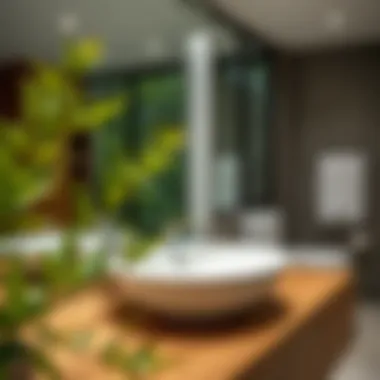
By considering dimensions and proportions, the sink counter is not merely a surface but a well-integrated part of the bathroom's design.
Storage Solutions
Under-Sink Cabinets
Under-sink cabinets are often overlooked yet serve as a critical storage solution in the bathroom. They provide a convenient area to hide away plumbing and cleaning supplies, making the bathroom look tidier. The beauty of these cabinets is their adaptability; they come in various styles and materials to match any sink counter design.
One key characteristic of under-sink cabinets is their ability to maximize space efficiency by utilizing potentially wasted areas. Often these cabinets come with dividers and arrangeable shelves providing ample room for toiletries, towels, and more.
- Advantage: They keep the bathroom organized and clutter-free, while also ensuring that necessary items are within reach when needed.
- Disadvantage: This type of storage can sometimes be limited due to plumbing pipe arrangements, which may dictate the cabinet's layout and functionality.
Wall-Mounted Shelves
Wall-mounted shelves present a versatile storage solution that allows homeowners to take advantage of vertical space. These shelves are a great way to showcase decorative items, and organizational tools, or even hold everyday essentials like soap and hand towels. They foster a sense of openness in smaller bathrooms, allowing for a more spacious feel.
The unique feature of wall-mounted shelves is their (often adjustable) height and orientation, catering to the specific needs of each user. For instance, they can be installed higher for aesthetic purposes while still maintaining functionality with lower shelves for frequently used items.
- Advantage: Easy to install and customizable, wall-mounted shelves can be moved or adjusted based on evolving needs or design changes.
- Disadvantage: They require wall reinforcement for heavier objects, and improper installation could lead to accidents and damages.
Plumbing Integrations
Plumbing integrations must not be an afterthought. Proper planning for this aspect ensures that the sink functions seamlessly with the rest of the bathroom. This involves the thoughtful positioning of pipes, drainage systems, and water supply lines. Failure to account for these factors can lead to inadequate water pressure or drainage issues.
When installing a counter, one should evaluate the spacing needed for plumbing fixtures to prevent hassle later. It is beneficial to consult with a plumbing professional during this phase to ensure the installation meets local codes and runs efficiently.
Ultimately, functional considerations are the backbone of sink counter choice. By tackling these topics thoroughly, homeowners and designers can create an environment that is both beautiful and practical.
Innovative Uses of Bathroom Sink Counters
When it comes to bathroom sink counters, functionality often takes a front seat. However, a well-thought-out sink counter goes beyond mere utility. It can serve multiple purposes, spicing things up with innovation that enhances both design and practicality. Recognizing this interplay can elevate a bathroom's atmosphere, making it not only visually appealing but also incredibly functional. A successful innovative use of a sink counter hinges upon understanding how to integrate various elements seamlessly into the available space.
Dual-Purpose Designs
Dual-purpose designs are all the rage, especially in compact living environments. The notion behind this is straightforward: why have two separate items when one can do the job of both? These designs can save space while adding a certain flair to your bathroom. For instance, a countertop could support not only a sink but also a small makeup station. This could involve installing a pop-up mirror or using a section of the counter dedicated to placing beauty products.
Consider a contemporary countertop that incorporates floating shelves directly above the sink. This unique feature combines the sink's functionality with a beauty area, allowing quick access to essentials. Furthermore, using contrasting materials can distinctly separate these functionalities, giving an aesthetically pleasing look that grips your eye.
Countertop Accessories
Countertop accessories, although small in scale, pack a punch in transforming the appearance and usability of sink counters. Having the right accessories can mean the difference between clutter and an organized space—a must for busy households.
Soap Dispensers
Soap dispensers might seem like basic items, yet they are a crucial part of any sink counter. They maximize convenience, minimize mess, and can add an element of style. When choosing a soap dispenser, look for one that aligns with the overall design theme of your bathroom. Whether it’s a sleek stainless steel option or a vintage ceramic design, the key characteristic of a soap dispenser is its ability to blend utility with style.
A pump-style soap dispenser is often favored. These not only prevent soap spillage but also allow quick access, making them a practical choice for families with children. While some may argue that refilling them can be a hassle, the advantages often outweigh this minor inconvenience. They offer a tidy, structured look to your sink, which is a significant plus in maintaining a clean and elegant bathroom vibe.
Organizers
Bathroom organizers are a savvy addition to sink counters, as they efficiently use every inch of space without overwhelming the visual aesthetics. They provide a home for everything, from toothbrushes to hair products, thus keeping clutter at bay. A key characteristic of organizers is versatility; they can come in various forms—from tiered stands to drawer inserts—making it easy to find one that fits your needs.
Unique for their utility, organizers can also add a touch of style. Many come in materials such as bamboo or acrylic, which can complement your existing decor. Despite their usefulness, some may find that they take up additional room, but the overall advantage of having a well-organized space often mitigates this drawback.
Artwork and Decor
Integrating artwork and decor into a bathroom sink counter can shift its use from purely functional to a point of design interest. Utilizing decorative elements, such as framed photos or small potted plants, can breathe life into an otherwise mundane space.
Artistic light fixtures that hang above the sink can not only provide adequate lighting but also serve as an artistic statement piece. Choosing decor that resonates with personal style adds character to your bathroom. Additionally, the thoughtful arrangement can impact how space feels, bringing warmth and personality into an often minimalistic environment. Overall, these innovative approaches transform the sink counter into a featured element that tells a part of your story.
Installation and Maintenance of Sink Counters
Proper installation and maintenance of bathroom sink counters are not just an afterthought; they're fundamental to ensuring longevity and optimal performance. A well-installed counter not only elevates the aesthetic appeal of a bathroom but also prevents future headaches related to leaks or damages. When it comes to maintenance, establishing a routine not only keeps the counters looking pristine but also extends their lifespan. Homeowners, interior designers, and DIY enthusiasts will find that understanding these elements is crucial for a functional and visually appealing bathroom.
Installation Steps
Installing a sink counter is a task that can seem daunting, especially for those who are not seasoned in home improvement projects. Yet, with a clear step-by-step guide, it can transform into a manageable endeavor.
- Preparation of the Area: Start by ensuring the cabinet or base is level. If it's not, shimming may be necessary. Measure the dimensions of the sink and counter space accurately to avoid any mismatches.
- Cutting the Counter: If using a material like laminate or wood, precise cutting will be crucial. Using a jigsaw, ensure smooth edges by sanding after cutting.
- Plumbing Synchronization: Before securing the counter, align the plumbing fixtures appropriately. This might require an adjustment of pipes under the sink.
- Securing the Countertop: Once everything checks out, apply a bead of silicone caulk along the edges of the cabinet and position the countertop. Tighten screws if available, and wipe any excess caulk away.
- Final Checks: Inspect for any potential gaps and ensure everything is sealed properly, reducing the risk of water damage in the future.
Following these steps not only ensures a secure installation but also sets the stage for effective maintenance down the road.
Routine Maintenance Tips
Once installed, a sink counter requires regular maintenance to keep it in top shape. Neglect can lead to wear and tear, so it's key to adopt a few simple habits.
Cleaning
A crucial aspect of maintaining a bathroom sink counter is cleaning. Keeping it free of grime, soap scum, and other residues is important for both hygiene and aesthetics. The beauty of a simple cleaning routine lies in its effectiveness. Using a soft cloth with a mild cleaner allows you to preserve the material's finish without causing damage. It's wise to steer clear of harsh chemicals that can eat away at the surface.
Sealing
For materials like natural stone, sealing is a non-negotiable step in maintenance. It provides a barrier against moisture and stains that can quickly mar the surface. The key here is to apply a high-quality sealant every 6 to 12 months, depending on usage and material type. A well-sealed surface remains smooth to the touch and is much easier to clean, greatly enhancing its longevity.
Repairs
Every now and then, even the sturdiest of counters can face issues—scratches, chips or water damage can happen. Scheduling an inspection now and then can save the day. Having repair materials on hand, or knowing when to call in a professional, can help in addressing these concerns. Quick fixes generally involve filling in cracks with epoxy and repainting surfaces where necessary. Understanding the material you're dealing with will definitely determine the best stability for it.
Common Issues and Solutions
Despite careful installation and maintenance, counter surfaces may face problems. Here are a few common issues:
- Water Stains: Often caused by prolonged moisture exposure. To combat this, routinely dry the counter after use.
- Scratches and Dents: For minor imperfections, a bit of polish can work wonders. Deeper scratches may require special fillers or replacement sections.
- Caulk Erosion: Over time, caulk can wear away, leading to leaks. Regular checks and timely re-caulking can prevent this.
By addressing these common issues promptly, homeowners can keep their sink counters looking fresh and functioning well for years to come.
"An ounce of prevention is worth a pound of cure." This old adage rings particularly true when it comes to installing and maintaining bathroom sink counters, where foresight can save time and money.
Sustainable Choices for Sink Counters
As homeowners and designers lean towards more conscientious decisions, the demand for sustainability in bathroom design has surged. Sink counters, a focal point in any bathroom, offer a unique opportunity to embrace eco-friendly practices while enhancing style and functionality. By choosing sustainable materials and practices, not only can one minimize environmental impact, but also create a beautiful and functional space that reflects personal values.
Eco-Friendly Materials
When selecting a sink counter, materials play a pivotal role in defining not just aesthetics but also sustainability. Options like recycled glass, bamboo, and reclaimed wood are increasingly popular. Each material comes with its own story and environmental credentials.
- Recycled Glass: Made from post-consumer waste, recycled glass counters dazzle with their vibrant colors and unique textures, showing that sustainability can also be stylish.
- Bamboo: This fast-growing grass is an excellent choice, as it replenishes quickly compared to traditional hardwoods, making it a renewable and sturdy option.
- Reclaimed Wood: Choosing wood that has been rescued from old buildings or furniture speaks volumes. It tells a tale of heritage and gives life to materials otherwise destined for landfills.
Incorporating these materials into sink counters not only signifies a commitment to eco-friendliness but also adds character to the bathroom space.
Sustainable Practices
Adopting sustainable practices in the selection and installation of bathroom sink counters is just as crucial as choosing the right materials.
Recycling
Recycling plays a massive role in minimizing waste and preserving natural resources. In the realm of sink counters, this concept extends beyond materials; it encompasses the entire lifecycle of products. One can
- Reduce waste: By opting for recycled components in sink creation, less new material is needed. This diminishes the demand on virgin materials and conserves energy.
- Encourage sustainable production: As more companies cater to eco-conscious consumers, there's pressure on producers to adapt their methods. Thus, recycling can drive significant change across the industry.
As a beneficial choice, recycling contributes greatly to reducing one’s carbon footprint. That said, while recycled materials can often come with a higher upfront price, they save costs on repairs and replacements in the long run.
Upcycling
Upcycling transforms what people might perceive as waste into something new and useful, making it not just environmentally friendly but also creative. An example of upcycling in sink counters is converting an old cabinet into a stylish vanity. This practice encourages individual expression.
- Unique features: Each upcycled piece carries its own history, giving a character that new materials often lack. Additionally, there’s no limit to creativity—old bowls can serve as sink basins, or scrap wood can be fashioned into a captivating countertop.
- Environmental benefits: Upcycling diverts waste from landfills and minimizes the demand for manufacturing new products.
While upcycling requires a bit of creativity and effort, the result is often a distinctive bathroom that stands out from the generic offerings of big-box stores.
"Sustainable practices not only benefit the planet but often provide unique and personalized designs that can make your bathroom truly one-of-a-kind."
Ending: The Role of Sink Counters in Bathroom Design
Bathroom sink counters might seem like just another feature in your home, but they hold a significance that extends far beyond their surface. They blend utility, style, and comfort in a room that is often a personal sanctuary. In the realm of interior design, these counters serve as both functional elements and aesthetic statements, influencing the overall ambiance of the space.
Functionality isn't merely about holding a sink or countertop accessories; it’s about how well the counter integrates with the activity of daily life. A thoughtfully designed sink counter can enhance efficiency, provide necessary storage, and facilitate organization in a bustling bathroom. On top of that, it offers you a base to express your personal style and design preferences, showcasing an intricacy between form and function that is crucial in today’s modern homes.
Final Thoughts on Aesthetics and Functionality
When we examine the connection between aesthetics and functionality, we find that they are not mutually exclusive. A sink counter can embody beauty while equally serving practical needs. For example, a robust granite countertop may not only be visually appealing with its vivid patterns but also withstands wear and tear from daily use. Choosing materials that resonate with your taste helps in creating a space that’s distinctly your own while ensuring that they meet the demands of everyday life.
From the crisp lines of a minimalist design to the warm, welcoming charm of a rustic setup, each style carries unique strengths and establishes a personal connection. A well-executed counter will blend into your bathroom's overall design theme, creating harmony and a sense of coherence. Moreover, it stands as a focal point for visitors, often leaving a lasting impression on anyone who enters the room.
Future Trends to Watch
As we look towards the horizon, several trends in sink counter design are shaping the way homeowners and designers approach this essential element. Here are a few pivotal trends to consider:
- Sustainability: An upswing in the preference for eco-friendly materials indicates that more homeowners are seeking out sustainable options. Materials such as recycled glass or bamboo are gaining traction.
- Smart Technologies: Integration of technology into bathroom spaces is on the rise, including counters that come equipped with integrated lighting or heated surfaces, enhancing comfort.
- Customization: More individuals seek tailored solutions, embracing bespoke designs that cater specifically to their spatial and functional requirements.
- Bold Colors and Patterns: Colorful countertops are beginning to make statements, moving away from traditional whites and greys to more vibrant options.
As these trends develop, one can expect a dynamic shift in how sink counters are perceived, not just as functional entities, but as integral components of the bathroom experience. Keeping an eye on these movements will be crucial for anyone looking to redesign their space.
"A well-designed bathroom sink counter is both a canvas and a workstation, combining beauty with practical solutions for everyday life."
For more insights on sustainable bathroom design, consider visiting EPA.gov and dive deeper into contemporary trends at Houzz.com.