Indoor Decorative Hanging Planters: Explore Their Beauty
Intro
Hanging planters are not just a trend; they are a whisper of nature that fills our indoor spaces with life. Imagine walking into a room that radiates freshness, the air laced with the earthy aroma of leaves and soil. This exploration dives into a world where aesthetics meet functionality, showcasing how indoor decorative hanging planters can elevate the ambiance of your home. Designed for those passionate about interior design or simply looking for ways to liven up their living space, this guide will walk you through various types of hanging planters, their benefits, and essential tips for installation and care.
As we journey through this topic, we will explore the myriad of possibilities these planters offer. From creative decor ideas to sustainable choices, each aspect contributes significantly to not just beautifying a space, but also in enhancing one's well-being and connection to nature. Are you ready to transform your surroundings? Let's get started!
Intro to Indoor Decorative Hanging Planters
Indoor decorative hanging planters are not just trendy decor items; they serve as a bridge connecting nature and home decor. Bringing greenery into your living space elevates the atmosphere, enhances air quality, and adds a touch of vitality. By utilizing often underused vertical space, these planters cater to homeowners, decorators, and design enthusiasts alike, allowing them to creatively incorporate nature where it may have been neglected.
The beauty of hanging planters lies in their versatility. Available in a myriad of materials—from rustic macramé to sleek metal—these planters can complement any design style. This variety proves advantageous whether one prefers minimalist aesthetics or bold, statement pieces. For interior designers and DIY enthusiasts, the allure of customization is significant; a simple change in hanging style or planter can entirely transform the visual appeal of a room.
Moreover, these planters appeal to those juggling busy lifestyles. Many plants suited for hanging planters require minimal care yet still provide the lushness and warmth that enhance a space. This practicality joins aesthetics, making indoor hanging planters not just beautiful but functional.
"Plants can improve mood and mental clarity, making indoor spaces not only livable but desirable."
As we journey through this article, we will delve into historical contexts, types, benefits, and essential care guidelines for hanging planters. Each section aims to reveal the depth and multifunctionality of incorporating hanging planters into your home.
Historical Context of Hanging Planters
Understanding the historical context of indoor decorative hanging planters sheds light on why they're more than just a passing trend. This exploration not only relates to aesthetics but also clarifies their significance through various ages. The integration of nature into interiors speaks to a deep-rooted human desire to connect with the environment. This desire has influenced art, functionality, and design throughout history.
Ancient Uses and Significance
In times past, hanging planters served a vital role. Across Egypt and Rome, they weren't merely decorative; they were integral in cultivating food and herbs. The ancient Egyptians, for example, believed in the power of plants to sustain life. Hanging planters were often utilized in temple gardens, showcasing vibrant flowers that played a part in religious rituals.
"Plants were not only life-sustaining; they were woven into the very fabric of society, representing prosperity and continuity."
Meanwhile, in ancient Rome, hanging gardens came to symbolize wealth and luxury. The famous Hanging Gardens of Babylon, thought to be one of the Seven Wonders of the Ancient World, created a lush green sanctuary in an urban setting. This idea translated into Roman villas, where planters filled with herbs and flowers were suspended from balconies. These connections between plants and personhood illustrated a desire to bring nature into one’s living space.
Hanging planters weren’t just for elites; they also became commonplace among farmers and the general populace. The necessity for space-saving solutions spurred innovation in planter designs, often made from woven materials, wood, or clay. Each of these materials reflected the resources available in their region, alongside the social and economic dynamics of the time.
Evolution Through Design Eras
The evolution of hanging planters mirrors broader trends in design and functionality. In the Middle Ages, practicality took precedence. Homes often lacked light, leading to the popularity of small hanging planters in kitchen windows or dark corners. These containers were typically practical, focusing on herbs or medicinal plants.
Fast forward to the Renaissance, where deeper artistic appreciation extended to indoor gardens. Elaborate depictions of flora in art inspired the crafting of ornately designed planters. Wealthy individuals started incorporating aesthetic elements, blending artistry with functionality.
In the 19th century, the advent of the industrial revolution opened the floodgates for new materials such as metals and ceramics in planter construction. Hanging planters began to adopt varied shapes and forms. Elongated designs with intricate metalwork became distinguished features in upper-class homes.
Today, with the shift towards sustainability and eco-conscious living, there's a renewed interest in modern iterations of hanging planters that blend vintage aesthetics with contemporary materials. Reclaimed woods, biodegradable composites, and simple, elegant designs resonate with homeowners and designers alike.
In summary, the journey of hanging planters through history is a testament to how deeply intertwined human lives are with the environment. Each era reflects significant changes in culture, economy, and technology, highlighting the continuous bond between nature and home.
Types of Indoor Hanging Planters
When it comes to decorating interiors with plants, the type of planter you choose plays a significant role. Indoor hanging planters offer various benefits ranging from aesthetic appeal to maximizing space. The diverse range of materials and designs allows homeowners to express their unique style while contributing to their indoor environment. In this section, we will dive into the four main types of hanging planters that cater to different tastes and needs.
Macrame Options
Macrame hangers are not just a trend but symbolize a return to craftsmanship, combining the art of knotting with the practicality of plant care. Perfect for adding a boho-chic vibe, these hangers are often made from natural fibers such as cotton or jute, making them environmentally friendly. They serve as eye-catching elements while showcasing the plant's beauty.
- Versatility: Macrame hangers come in various styles, from simple knots to intricate designs, allowing various plants to shine. This adaptability makes them suitable for both small succulents and larger houseplants.
- Textural Contrast: The softness of macrame can create an appealing contrast against the hard surfaces of walls or shelves, enhancing the visual interest.
- DIY Potential: For those who enjoy hands-on projects, crafting your macrame plant holder can be a fun and fulfilling endeavor. Tutorials abound online to guide you through the process.
"Choosing a macrame sleeve for your plants often feels like putting on a cozy sweater for your greens."
Metal and Wire Designs
Metal and wire designs introduce a sleek, modern edge to indoor decor. Constructed from materials like iron or aluminum, these planters add a hint of industrial flair, perfectly complementing minimalist or contemporary spaces.
- Sturdiness: Metal planters are generally robust, lasting longer than many alternatives. They can support heavier plants without fear of sagging.
- Airflow and Drainage: Many wire designs allow for enhanced air circulation around the roots, promoting healthy growth. Furthermore, drainage holes facilitate watering without soggy soil, a gift for plant health.
- Color and Finish Options: Metal surfaces can be powder-coated in various colors, adding to the design flexibility. From matte black to shiny copper, the options are plentiful.
Ceramic and Pottery Variants
Ceramic and pottery planters are timeless. These pieces often feature colorful glazes, intricate patterns, or rustic textures, enriching the aesthetic of any room. The diversity in ceramic types—from terracotta to stoneware—means there’s something for every taste.
- Temperature Regulation: Ceramic retains moisture well while providing some insulation against temperature fluctuations. This regulation can be beneficial for delicate plants that require stable conditions.
- Variegated Designs: The artistic freedom in ceramic design allows for endless possibilities. Contemporary, vintage, or even artisanal pieces can turn a simple hanging planter into a statement piece.
- Sustainable Sourcing: Many potters focus on eco-friendly materials, making them a responsible choice for decorating your home.
Glass and Transparent Styles
The increasing popularity of glass planters cannot be overlooked. They bring a touch of elegance and sophistication to any indoor garden. Their transparent nature allows for creativity—showcasing not just the plant, but the soil or decorative stones underneath.
- Light Entry: Glass planters can capitalize on sunlight, ensuring that plants receive ample illumination. This is particularly beneficial for plants that thrive in bright conditions.
- Visual Aesthetics: The ability to see the base of the plant can encourage creativity in terms of how you craft the arrangement, from layering stones and soils to incorporating interesting colored pebbles.
- Low Maintenance: Glass is easy to clean, preventing the buildup of algae or dirt. Just a quick rinse and wipe will restore its shine.
Benefits of Indoor Hanging Planters
Indoor hanging planters are more than just decorations; they are bridges that connect us to nature while providing numerous advantages for our living spaces. As cities expand and urban life becomes more hectic, integrating greenery within our homes is increasingly crucial. From transforming the ambiance of a room to improving the practicality of our environments, the benefits of these fixtures are manifold. Here’s a closer look.
Space Saving Solutions
One of the primary reasons homeowners opt for hanging planters is the efficient use of space. In modern homes, particularly smaller ones, every square inch counts. Hanging planters allow you to utilize vertical real estate, providing a dynamic way to incorporate plants without sacrificing floor space. This vertical gardening approach is perfect for apartments or tight areas where surface area is a luxury. By hanging these planters, you create layers of greenery that can charm any corner of your home.
Consider the possibilities:
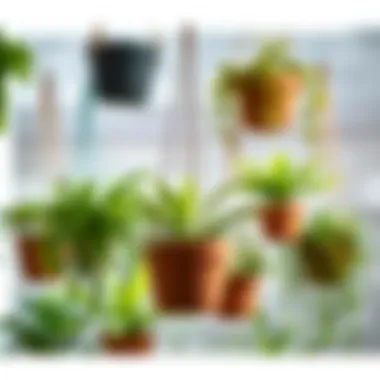
- Utilizing window spaces: Place planters in front of windows where sunlight streams through, giving your plants the light they need while adding beauty to your view.
- Creating a green gallery: Mix and match different planters to form a visual centerpiece, with twisting vines and colorful flowers bringing life to dull walls.
- Optimizing corners: Use hanging planters to breathe life into neglected corners without needing bulky furniture.
All in all, the smart use of u>hanging plantersu> offers practical solutions to typical space constraints homeowners face.
Enhanced Air Quality
Plants are known for their ability to improve air quality, a fact that’s supported by studies from institutions such as NASA. Indoor hanging planters contribute greatly to this process. They help filter out toxins and release oxygen, making the air you breathe fresher and cleaner. Here are a few plants commonly seen in hanging planters that are particularly effective at purifying indoor environments:
- Spider Plant: Excellent at removing pollutants while being low-maintenance.
- Pothos: Not only beautiful but also a champion at filtering formaldehyde.
- English Ivy: Effective against airborne molds and allergens.
By choosing the right plants for your hanging planters, you're not just adding visual interest but also investing in your family's health.
Aesthetic Value and Natural Beauty
The allure of hanging planters goes beyond their functional benefits. They evoke a sense of natural beauty, turning mundane indoor spaces into botanical sanctuaries. Plants bring warmth and liveliness that can transform a sterile environment into a welcoming oasis. Different styles can align with various aesthetics, whether you favor bohemian, minimalist, or rustic themes. Consider incorporating textures, colors, and shapes to craft something truly unique:
- Contrast materials: A wire macrame with vibrant foliage adds depth and personality to neutral spaces.
- Groupings: Cluster a few planters to make a statement, developing a natural narrative that captures attention.
- Seasonal adjustments: Swap out plants with the seasons for continual refreshment of your interior.
The right placements of hanging planters can effectively dictate the emotional tone of a room, creating a peaceful retreat or energy-filled workspace.
Psychological Wellbeing and Connection to Nature
As the world becomes increasingly digital, our intrinsic connection to nature often takes a hit. Indoor hanging planters serve as a simple reminder of the natural environment outside. Studies show that being around plants can reduce stress, enhance mood, and improve overall mental wellness. The presence of green can lead to:
- Decreased stress levels: A quick glance at pleasing greenery can calm anxious thoughts.
- Increased productivity: Being in proximity to nature has been linked with enhanced focus and creativity.
- Enhanced life satisfaction: The act of nurturing plants can provide a sense of purpose and fulfillment, creating a rewarding experience in an otherwise busy life.
Incorporating hanging planters in your living space fosters an environment where one can truly thrive, both mentally and spiritually.
"Adding just a few plants to your indoor space boosts not only aesthetics but can drastically improve your mood and productivity levels."
Indoor hanging planters bridge function and beauty, offering numerous advantages for homeowners, decorators, and anyone else engaged with interior design. As you explore your options, consider these multiple benefits that come with integrating greenery into your home. They might be more powerful than you realize.
Selecting the Right Plants
Choosing the appropriate plants for your indoor decorative hanging planters is paramount. Not only does this decision influence the look and feel of your space, but it also affects how well your plants thrive in their chosen environment. When selecting plants, consider factors such as light availability, humidity, and the overall aesthetic you wish to achieve. Picking the right plants is akin to choosing the right ingredients for a signature dish: good choices lead to a vibrant and healthy outcome.
Low-Light Plant Options
For those spots in your home that don't catch much sunlight, fear not! There are plenty of resilient plants that thrive in lower light conditions. Some excellent options include:
- Pothos: Known for its long, trailing vines and heart-shaped leaves, Pothos is perfect for hanging planters. It’s tough and can survive on minimal light.
- Snake Plant: This plant can be neglected and still flourish. Its upright leaves provide a striking contrast to traditional hanging plants.
- ZZ Plant: With its waxy, dark green leaves, the ZZ plant not only tolerates low-light environments but also infuses a touch of elegance in any space.
These plants not only survive but can make a statement, proving that every corner of your home can be beautifully adorned.
Best Plants for Air Purification
Indoor plants are not just pretty faces; some make excellent air purifiers, enhancing the air quality within your home. Consider these champions of purification:
- Spider Plant: Known for its air-cleaning capabilities, the Spider Plant removes toxins like formaldehyde and xylene while producing baby shoots that make it an appealing hanging option.
- Peace Lily: With its elegant white blooms, the Peace Lily stands out aesthetically and is known to filter out ammonia, benzene, and formaldehyde.
- Philodendron: A popular choice among indoor gardeners, this plant reduces formaldehyde levels and adapts well to various lighting.
These plants can add a refreshing touch to your indoor environment while providing health benefits, making them a smart addition to any hanging planter.
Trending and Unique Indoor Plants
Staying ahead of the curve means keeping an eye on the latest indoor plant trends. Some unique choices currently taking center stage include:
- String of Pearls: This succulent features small, round leaves resembling pearls and cascades beautifully, perfect for a contemporary look.
- Air Plants: Known scientifically as Tillandsia, these fascinating plants don’t require soil to grow, making them paramount for creative hanging displays.
- Bamboo Palm: While not your typical choice for a hanging planter, it brings a tropical feel and is loved for its air-purifying qualities.
These trendy plants can serve as conversation starters, providing an unexpected yet delightful twist to your home decor.
"In the world of plants, there is no shortage of stunning choices. Selecting the right type for your hanging planters allows you to express your unique style while creating an inviting atmosphere."
Whether you're filling your space with lush greenery or simply aiming for a pop of color, setting out to select the right plants is a journey in itself, tailored specifically to your taste and environment.
Installation Techniques for Hanging Planters
When it comes to indoor decorative hanging planters, the installation techniques you choose can make or break the whole experience. The right methods not only ensure that your plants thrive but also make sure that they are securely displayed in your home. Whether you’re aiming for a cozy nook or a lush vertical garden, understanding these techniques helps enhance aesthetic appeal and functionality. Choosing how to mount your planters can impact the atmosphere of your space immensely, allowing creativity and nature to intermingle seamlessly.
Proper installation techniques can lead to increased safety, reduced maintenance, and a more beautiful overall presentation. Let’s delve into the various aspects of effectively installing hanging planters, focusing specifically on the essentials, mounting methods, and safety considerations.
Essential Tools and Materials
Before diving into any installation project, it's necessary to gather the appropriate tools and materials. Relying on the right equipment not only makes the job easier but also ensures that you achieve a professional finish. Here are some staples you may need for your hanging planter installation:
- Drill: A power drill is essential for making holes in walls or ceilings. This is particularly important if you're using heavy materials or pots.
- Anchors and Screws: These are crucial for securely holding your planters in place, especially on drywall or brick surfaces.
- Hanging Hardware: Choose hooks or brackets based on the weight of your planters. For lightweight planters, simple ceiling hooks may suffice, while heavier ones may require stronger metal brackets.
- Tape Measure: Precision is key in installation, and a tape measure ensures that each planter is hung at the right height.
- Level: This tool ensures that your hanging planters are perfectly aligned, providing a polished look to your décor.
- Safety Gear: Always wear safety glasses and gloves to protect yourself during installation.
Having these tools handy lays the groundwork for a successful installation that stands the test of time.
Mounting Methods Explained
The choice of mounting method can vary significantly based on the type of planter, the structure of your walls, and even your personal style. Each method has its own set of advantages:
- Ceiling Hooks: For lightweight planters, ceiling hooks are a popular choice. They can be easily installed into wood or drywall. Make sure to find a stud for a secure hold.
- Wall-Mounted Brackets: If you’re aiming for a more structured approach, consider wall-mounted brackets. They can hold heavier pots and allow for creative arrangements.
- Macramé Hangers: These charmingly intricate hangers can be anchored from ceiling hooks, contributing to a laid-back aesthetic.
- Shelving Units: For those who want to mix functionality with decoration, hanging planters on shelving units create an eye-catching display. Make sure the shelves can withstand the weight of the plants and their soil.
Each mounting method possesses unique characteristics that can align with your individual aesthetic preferences while ensuring the safety and functionality of your installation.
Safety Considerations During Installation
Safety should always be top of mind when installing hanging planters. Here are a few key points to keep in consideration to avoid accidents during your project:
- Weight Distribution: Ensure the mounting hardware is rated for the weight of the planters you intend to use. Always opt for more robust anchors if in doubt.
- Stable Surface: Know what you’re working with: drywall, studs, or cement walls. Use the appropriate type of anchors for your chosen surface to prevent any surprises.
- Use of Ladders: If using a ladder, ensure it’s on stable ground. Have a buddy around when climbing to reach high spaces, just in case.
- Plant Safety: Remember, plants can be heavy and top-heavy. Choose locations that are out of high-traffic areas to prevent accidents and spillage.
Ensuring safe and effective installation lies at the heart of enjoying your beautiful hanging planters. You want peace of mind while you enjoy the fruits of your labor.
"Hanging planters are not merely decorations, but a living art form that adds depth and tranquility to the space."
Understanding these installation techniques is vital for the successful incorporation of hanging planters into your home. Try to adapt these suggestions to suit your environment and enjoy the serene natural beauty they bring.
Care Requirements for Hanging Planters
Caring for hanging planters is paramount for the health of the plants and the visual appeal of your space. These planters often showcase plants at eye level or even above, providing an excellent opportunity to integrate nature into your interior decor. The right care ensures that these plants thrive, enhancing the atmosphere of your home while allowing you to enjoy the presence of greenery. Proper attention to watering, light exposure, and the condition of the soil will help in creating a flourishing indoor garden, leading to not just beautiful aesthetics but also a positive impact on indoor air quality.
Watering Essentials
Understanding the guidelines for watering hanging planters is crucial. It’s tempting to simply water the plants whenever you remember, but that's a sure-fire way to either drown them or leave them thirsty. Hanging planters, often situated out of reach, can attract attention to this necessity. Here are key considerations:
- Check Moisture Levels: Use your finger to poke a few inches into the soil. If it's dry, it’s time for water. Plants have different watering needs; some prefer consistently moist soil, while others thrive when allowed to dry out between waterings.
- Watering Technique: When watering, aim to soak the soil thoroughly. The excess water should be able to drain out, preventing root rot.
- Consider the Plant’s Size: Larger plants may require more water, while small ones may need less. Keep this in mind as your plants grow.
- Seasonal Changes: Maintain an awareness of seasonal shifts as they also affect watering frequency. Plants often need more water during the growing season (spring and summer) and may require less in the dormant months (fall and winter).
"The difference between a flower that blooms and one that withers can often just be a matter of water and care."
Light Requirements Based on Plant Type
Light is crucial in determining the health and vitality of hanging planters. Each plant species has unique light needs, which can make or break your indoor garden. Here’s a quick guide to navigating light requirements:
- Low-Light Plants: Here you will find varieties like pothos and snake plants that are ideal for areas where sunlight is scarce, thus suitable for rooms with fewer windows.
- Bright Indirect Light: Many plants thrive in bright, indirect light. Spider plants and peace lilies fall into this category. Position these planters near windows but shield them from harsh afternoon sun.
- Direct Sunlight: Succulents and cacti love direct sunlight and should be hung in spots where they can soak up those rays for several hours a day.
- Rotation of Planters: Strategically rotating your hanging planters every few weeks can ensure all sides of the plants get their fair share of light. This prevents uneven growth and keeps everything looking balanced.
Fertilization and Soil Considerations
To create a thriving ecosystem in indoor hanging planters, choosing the right soil and understanding fertilization is essential. Here’s what to consider:
- Choosing Soil: A well-draining potting mix is often recommended for hanging planters. Look for ones that contain perlite or vermiculite to promote drainage and aeration.
- Fertilization Schedule: Fertilizing every four to six weeks during the growing season can offer a significant boost. Use a balanced, water-soluble fertilizer diluted somewhat to prevent overwhelming the plants. Be cautious not to over-fertilize as this can lead to root burn.
- Organic Options: If you prefer natural approaches, compost tea or diluted fish emulsion can serve as great organic fertilizers.
- Re-potting Considerations: As plants grow, they may outgrow their current containers. It’s often beneficial to repot them into a larger hanging planter, especially if root growth is visible or soil nutrients seem depleted.
By meticulously tending to the needs of your hanging planters, you not only foster a thriving indoor garden but also transform your living space into a sanctuary filled with life and vitality. These minimal yet crucial steps pave the way for a rewarding connection with nature right within the comforts of your home.
Creative Decor Ideas Using Hanging Planters
Indoor decorative hanging planters offer a unique way to blend nature into home settings while serving as creative focal points. They are not just about plants; they can also act as artistic expressions and space-shapers. Whether one lives in a sprawling mansion or a modest apartment, these planters can enhance any interior by utilizing vertical space effectively and adding color and life without crowding the floor.
The beauty of hanging planters lies in their versatility. They can create a lush garden effect, even in tiny nooks and crannies, providing a breath of fresh air in urban environments where greenery can often feel sparse. This section discusses innovative ways to use hanging planters that elevate decor aesthetics while remaining functional.
Vertical Gardens for Small Spaces
For those tight on space, vertical gardens are a clever solution. Think of it as a garden that reaches for the sky, rather than sprawling out on the ground. By hanging a series of pots, one can create a stunning wall of greenery that draws the eye upward, making any room appear taller and more expansive. Popular methods include using a pallet or repurposed wooden crates, which can be mounted to a wall. These can be economical while creating impactful art pieces.
- Considerations: Choose light-weight plants that won’t overstress the mounting structure. Succulents, with their varied textures and colors, can thrive beautifully in such environments.
- Tips: Arranging plants based on their growth habits can make the display even more eye-catching. For example, plants that cascade over the edges create a sense of movement.
Themed Displays for Events
Appreciating aesthetics calls for creativity, especially during special occasions. Hanging planters can be used to design unique thematic displays that leave guests in awe. For a wedding, for instance, cascading florals can create an ethereal atmosphere. In contrast, a birthday celebration might employ brightly colored planters filled with seasonal blooms to bring cheer and vibrance.
- How-to: Use a consistent color palette or specific types of plants to maintain cohesion across the display. Strings of lights can be added for an enchanting touch in the evening.
- Spacing: Hanging planters can be suspended at different heights, adding dimension and interest, so they do not appear monotonous.
“A themed display with hanging planters can transform any event, creating memorable landscapes that will be talked about long after the last guest has left.”
Incorporating Planters into Modern Design
Modern design often emphasizes minimalism and clean lines. Hanging planters can complement this by offering simple, elegant frames for flora, without overpowering other design elements. Metal wire or clear glass planters resonate well with contemporary aesthetics and can turn simple plants into stunning art pieces.
- Material Choice: When selecting planters, opt for materials that echo today’s designs—think matte finishes, geometric shapes, or sleek metallics. They can double as decor in their own right.
- Balanced Arrangements: Keep in mind that balance is critical. For instance, a singular, large hanging planter can anchor a space while surrounding smaller planters offer a playful touch without overwhelming that focal point.
Sustainable Practices in Decorating with Planters
In recent years, the conversation around sustainability has become more prominent in both our daily lives and in the design world. When it comes to indoor decorative hanging planters, integrating sustainability is not just an option, but a necessity for many homeowners and designers. Sustainable practices benefit not only the environment but also enhance the aesthetic and functional aspects of your home decor.
One key element to consider is the choice of materials used in the creation of planters. Eco-friendly materials not only reduce carbon footprints but also provide an eye-catching design that complements the greenery within.
Additionally, sustainable practices lead to better air quality, which contributes to healthier living spaces. Incorporating plants that are low maintenance can also further support this cause, as they don’t require extensive resources. All these elements come together to create environments that are not only beautiful but also responsible.
Eco-Friendly Materials for Planters
Using eco-friendly materials for your hanging planters is a powerful way to make a positive impact. Several materials are particularly appealing:
- Biodegradable Pots: Made from organic materials like coconut coir or recycled paper, these pots break down over time, enriching the soil instead of contributing to landfill problems.
- Bamboo: Fast-growing and renewable, bamboo planters offer a sturdy yet lightweight option that stands out in any collection.
- Recycled Metal: Utilizing old metals not only cuts down on waste but also gives your planters an industrial edge. Rusty cans or discarded pipes can be transformed into unique planters.
- Glass: Though it requires energy to produce, glass is infinitely recyclable. Using old bottles or jars can create a classy touch and showcase the plant's roots.
Opting for these materials not only speaks to your design ethos but also tells a story of conservation and responsibility.
Recycling and Upcycling Ideas
Recycling and upcycling are perhaps the most engaging aspects of sustainability in decorating. Homeowners can find numerous ways to repurpose old items as planters. Here are some practical and creative ideas:
- Tin Cans: After enjoying your favorite beans or soup, don’t toss the can. Clean it out, add drainage holes, and you have a rustic planter.
- Wooden Crates: An old wooden crate can serve as a charming display for several hanging plants when suspended from the ceiling.
- Old Shoes: Transform that pair of worn-out sneakers into quirky planters. Their original shape adds personality and humor to indoor gardens.
- Glass Jars: Use mason jars or any suitable glass vessel to create small indoor hanging gardens, allowing the light to shine through the plants.
- Books: Hollow out old books for an unexpected twist, turning them into stylish planters while preserving their literary charm.
Utilizing these materials not only reduces waste but also sparks creativity, making each planter a piece of art and a conversation starter.
"Sustainability can be a beautiful journey. It’s not just about being green; it’s about creating spaces that nurture both our wellbeing and our planet."
Troubleshooting Common Problems
When it comes to indoor decorative hanging planters, a few bumps in the road can crop up during the care journey. Understanding how to address these hiccups not only ensures your green friends thrive but also enhances your enjoyment of the indoor gardening experience. Who doesn’t love coming home to a vibrant collection of plants that’s as healthy as it is beautiful?
Sometimes, obstacles arise and compromise the aesthetic appeal and health of your hangers. That's where troubleshooting becomes crucial. A pinch of preventive care and a dash of quick fixes can save your plants from potential disasters, ultimately keeping your space looking like an indoor oasis.
Pest Management Strategies
Pests can be a pain in the neck for any plant lover. While keeping plants in hanging planters can deter some pests, they are not immune to the occasional uninvited guest. From spider mites to aphids, keeping an eye out for these pesky critters is imperative.
- Regular Inspections: Make it a routine to check your plants for signs of pests, like speckled leaves or webbing.
- Natural Remedies: Consider using neem oil or insecticidal soap for a gentle approach to pest control. Dilute them with water and spray on affected areas at the first sign of trouble.
- Companion Planting: Some plants naturally repel pests. For example, basil's aroma can keep certain insects away from your hanging herbs.
It's important to choose a method that suits both your plants and your personal beliefs regarding pest management. Sometimes, bringing in beneficial insects like ladybugs can also help keep the pest population in check.
Dealing with Plant Diseases
Diseases are another monkey wrench in plant care. Without proper attention, a single infected leaf can spread problems through the entire hanging setup. Understanding the symptoms and causes of common plant diseases helps in mitigating their impact.
- Fungal Issues: Look for signs of rot or leaf spots, which often stem from overwatering. Ensuring proper drainage in your planters can prevent this from happening.
- Bacterial Infections: Yellowing leaves or wilting can indicate bacterial issues. Offensive smells can also be a telltale sign. It’s key to isolate and dispose of any severely affected plants right away to protect others.
- Prevention: Air circulation is crucial. Ensure you're not crowding your plants. Giving each plant enough room allows for better airflow, reducing the likelihood of disease.
Adjusting Care for Specific Environments
Every home is unique, and so are the conditions within it. Adjusting your care to fit the environment is a smart move, especially for indoor hanging planters. The way you manage light exposure, humidity, and temperature can make or break your plants.
- Light Considerations: Different plants have varying light requirements. For instance, succulents and cacti thrive in bright light, while ferns prefer indirect light. Consider using grow lights if natural light is lacking.
- Humidity Control: Indoor air can often be dry, especially in winter months. Misting plants or placing a small humidifier nearby can help maintain the necessary humidity levels.
- Seasonal Adjustments: As seasons change, so should your watering and care routines. In winter, many plants need less water than in summer.
By staying attuned to your home environment, you can provide your hanging planters with tailored care that keeps them flourishing, which ultimately creates a more pleasant living space.
Remember, a problem tackled today can save a plant tomorrow. Stay vigilant in your care, and you'll witness your indoor garden thrive.
Future Trends in Indoor Planters
As we step into a new age of design and sustainability, indoor decorative hanging planters are no longer just a trend but a growing essential. Future trends in indoor planters reflect the evolving need for homeowners and designers to create spaces that blend aesthetics with functionality. These trends not only showcase innovative designs but also embrace sustainability and technology, making them crucial for those wanting to bring nature into their homes. Staying abreast of these trends can inspire creativity and deeper connection with the environment, ultimately enhancing our daily living spaces.
Technological Advancements in Plant Growth
With advancements in technology, the future of indoor plant growth is looking bright. Smart plant care devices are making it easier for gardeners, whether they’re seasoned pros or new to the game. These devices can monitor soil moisture levels, light intensity, and even temperature, sending alerts directly to your smartphone when your plants need attention.
In particular, hydroponics and aeroponics systems are making waves. These systems allow plants to grow without soil, using nutrient-rich water instead. Not only does this conserve space, but it also significantly reduces the amount of water needed for plant growth. Some systems even include built-in LED grow lights, allowing plants to thrive in low-light conditions, a perfect benefit for urban dwellers with limited sunlight access.
Furthermore, automated watering systems can alleviate the stress of remembering to water. Imagine a setup where your planters are connected to a smart device that automatically waters them at the optimal time and amount. No more overwatering or under-watering – these advancements are a game changer!
Design Innovations on the Horizon
The designs of indoor hanging planters are set to experience a refreshing transformation. New materials and forms are being explored, with ceramic designs incorporating intricate textures and earthy colors that reflect the natural landscape. On the other hand, minimalist metal planters are becoming prominent, merging functionality with a modern aesthetic that fits seamlessly into contemporary homes.
Moreover, sustainable design practices are gaining traction. Many companies are focusing on upcycled materials to create unique, eco-friendly planters that carry a story. This not only benefits the environment but also resonates with the values of a conscientious audience.
Another fascinating trend is biophilic design, which emphasizes our innate connection to nature. Designers are conceptualizing planters that mimic natural environments, incorporating organic shapes and integrating planters directly into furniture. Imagine a bookshelf that features built-in planters, creating an organic flow between books and plants, bringing life to even the most static of spaces.
Ultimately, the future of indoor decorative hanging planters is bright with innovation. By embracing technology and creative design, homeowners and decorators can look forward to creating inviting, stylish spaces that not only please the eyes but also nurture life. As the old saying goes, 'form follows function'; the marriage of these elements will ensure that hanging planters remain not just a decorative piece but a vital part of our indoor landscapes.
Culmination
In wrapping up our extensive journey through the realm of indoor decorative hanging planters, it becomes unmistakably clear that these installations are much more than mere decorative accents. They serve a profound purpose in enhancing interior spaces. As we explored earlier, the versatility of hanging planters not only optimizes space but also introduces a refreshing touch of nature into our homes.
Importance of Integration
Integrating these planters can significantly enrich the aesthetic value of any room. Homeowners and designers can utilize them to create a narrative within a space, guiding visitors' eyes upwards and adding layers to the overall design.
"Hanging plants breathe life into a room, making it feel lush and inviting."
Benefits Revisited
From improved air quality to promoting psychological wellbeing, the advantages of having plants around cannot be overstated. Indoor plants, especially those housed in hanging planters, can act as natural air filters. This is particularly beneficial for individuals who spend long hours indoors.
Practical Considerations
There are practical considerations to keep in mind, though. Selecting the right plants based on one's lifestyle and the specific environmental conditions of the home is crucial. Additionally, understanding how to care for these plants properly—balancing light requirements and watering needs—will ensure their longevity and health.
Final Reflection
As our exploration draws to a close, it’s essential to appreciate the cultural and aesthetic significance of indoor hanging planters. They bridge the gap between nature and urban living, allowing individuals to cultivate their environments in a manner that resonates with personal style and preference.
In this fast-paced world, creating a sanctuary at home with plants serves as a reminder of the calming power of nature.
Whether you’re a seasoned decorator or a beginner that just wants to add some greenery, embracing the use of hanging planters presents an opportunity to reimagine your indoor spaces. Ultimately, giving life to your home through plants isn't just about beauty; it's about nurturing oneself and creating an environment where one can truly thrive.