Mastering the Art of Bathroom Light Fixture Selection
Intro
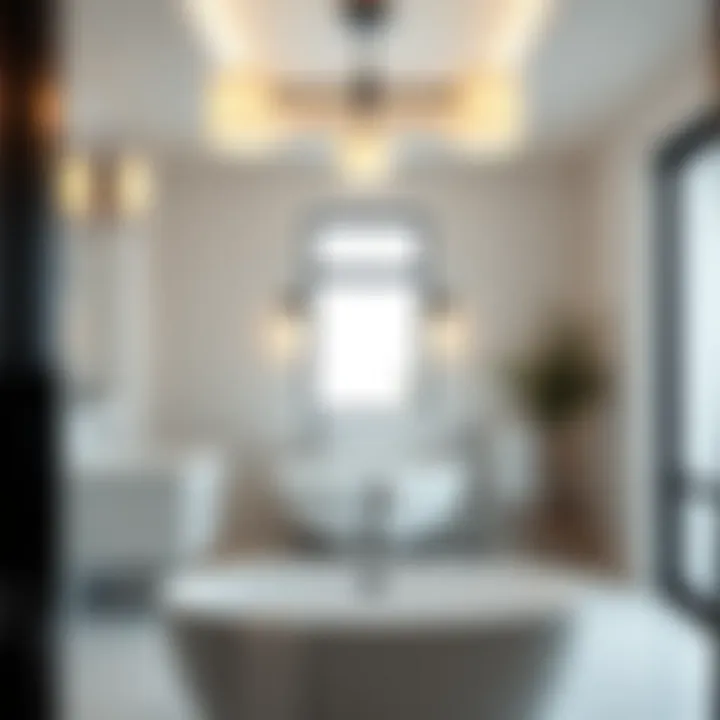
Choosing the right bathroom light fixtures goes beyond merely picking a bulb or a lamp. It’s a blend of style, functionality, and a dash of personal expression. When done right, bathroom lighting can turn a mundane space into a sanctuary, inviting warmth and sophistication to your daily routines.
Understanding the significance of matching your fixtures can transform the entire ambiance of a room. The gleam of polished metal, the soft glow of frosted glass, the charm of vintage styles—these elements can significantly affect how your bathroom feels and functions. Today’s homeowners, interior designers, and DIY enthusiasts are increasingly aware that the right lighting can create a welcoming atmosphere, enhance the aesthetic appeal, and increase the practical use of the space.
Prior to diving into selection tips and fixture recommendations, let's explore how you can draw inspiration for your bathroom lighting.
"Light is to the spirit what water is to the body."
This quote resonates particularly well in the realm of home design and can serve as a guide in your journey toward the perfect bathroom light setup. One must keep in mind not only the visual comfort but also the practical needs of such a functional space.
As we move forward, we will explore various design inspirations, practical advice on incorporating sustainable choices, as well as caring for the fixtures to ensure they remain both functional and charmingly beautiful over time.
Understanding Bathroom Lighting
Lighting plays a critical role in bathroom design. It's not just about enough illumination to avoid tripping over the rug—it's about creating an inviting and functional space. The proper lighting can transform a mundane washroom into a soothing sanctuary. In understanding bathroom lighting, we delve into how it affects mood, functionality, and overall aesthetics. The goal is to strike a balance between showcasing your style and ensuring practicality.
The Role of Lighting in Bathroom Design
Lighting in the bathroom is akin to the canvas upon which decor is painted. It sets the tone and enhances the visual harmony of the space. A well-lit bathroom not only serves its primary function but also elevates the user experience. You might be scrubbing away in a spa-like environment or simply trying to freshen up, and good lighting can make all the difference.
Moreover, it influences how colors and textures appear. Think about it: a dusty rose wall might look soft and inviting under warm light but jarring in cold, stark fluorescent. Thus, considering the light's effect on your bathroom's ambiance is paramount. One mustn't overlook how lighting can highlight architectural features or design elements, such as the beautifully tiled shower or that antique mirror passed down from grandma.
Types of Lighting for Bathrooms
Bathrooms need a blend of different lighting types to meet various needs—think of it as the Holy Trinity of bathroom illumination: ambient, task, and accent lighting.
Ambient Lighting
Ambient lighting offers the overall illumination that fills the space. It's akin to the emotional backdrop of your favorite film, subtly weaving the scenes together. Often derived from ceiling fixtures, this kind of lighting provides a soft glow that casts even brightness throughout the bathroom. Its key characteristic is to create a sense of comfort without overwhelming the senses.
When selected wisely, ambient lighting fosters a relaxing atmosphere—a boon after a long day. That said, choosing the wrong style can easily lead to the space feeling flat or uninviting. Opt for dimmable options to tailor the intensity based on your needs. It's essential, as poor ambient lighting can leave you squinting or feeling underwhelmed each time you step in.
Task Lighting
Task lighting is your personal spotlight, illuminating specific areas where clarity is essential. Think about the vanity area where you might be applying makeup or shaving. This type of lighting must be bright but not harsh—think of it as making sure you can read the fine print on a contract without breaking a sweat.
The common choice here is wall-mounted fixtures flanking mirrors or even backlighting options for a sleek touch. Task lighting eliminates shadows cast by the face, providing better visibility. However, an unconsidered placement or too dim lighting can leave you in the dark—literally. You want a balance, making sure it serves its purpose without being overbearing.
Accent Lighting
Accent lighting adds that touch of flair to the overall design. It’s like the cherry on top of an already excellent sundae. Used to highlight artwork, architectural features, or even decorative items, this type of lighting creates focal points that draw the eye.
Key to accent lighting is its ability to create depth and drama within the space. Whether it’s along a tiled backsplash or inside a glass-shower enclosure, the effects can be striking. Just remember, too much accent lighting can lead to distraction rather than enhancement; therefore, moderation is crucial.
"Good lighting is like a good stage setup: it allows all the right features to shine without overshadowing the others."
Ultimately, this understanding lays the groundwork for matching fixtures effectively, aiming for a cohesive and stylish space that radiates warmth and comfort.
Choosing the Right Light Fixtures
Selecting the right light fixtures is a crucial step in enhancing your bathroom’s overall aesthetic and function. Each fixture carries the potential to transform not only the lighting but also the ambiance of the space. It’s about finding that sweet balance between style and practicality. A well-chosen light fixture can highlight your design choices and create a warm, inviting environment. Conversely, the wrong selection can make the space feel disjointed, or worse, inadequate in terms of illumination.
Fixture Styles and Their Impact
The style of light fixtures can greatly influence the overall look of your bathroom. Depending on the themes, here are several styles to consider:
Modern
Modern fixtures are celebrated for their clean lines and minimalistic designs. Their essence lies in simplicity, often characterized by geometric shapes and a lack of embellishments. The modern aesthetic is not only popular but functional as well; for instance, sleek designs can enhance space, making smaller bathrooms feel less cluttered. These fixtures usually incorporate materials like chrome or glass which offer a fresh, airy appeal.
With their unique feature of being energy efficient, modern fixtures tend to use LED bulbs, thus saving on electricity bills while providing ample light. Nonetheless, one might say that sometimes their starkness can come off as cold or impersonal in warmer or more traditional designed bathrooms.
Traditional
In contrast, traditional fixtures are known for their classic appeal and ornate designs, often harking back to earlier architectural styles. They usually feature intricate details, like scrollwork, which can add depth and a sense of history to your bathroom. Choosing traditional fixtures can exude warmth and comfort, inviting a reminiscing vibe, making them popular among homeowners who favor a certain nostalgia in decor.
A standout characteristic of traditional fixtures is the variety of finishes available, such as rubbed bronze or antique brass, which can complement vintage or rustic themes beautifully. However, traditional fixtures can sometimes overwhelm a contemporary space, leading to a lack of coherence if not executed thoughtfully.
Transitional
For those who sit between the two worlds of modern and traditional design, transitional fixtures offer the best of both. These styles often blend sleek, modern lines with softer traditional elements, making them incredibly versatile. This adaptability allows homeowners to maintain a sense of elegance without sacrificing modern comfort.
A key advantage of transitional lighting is its ability to fit seamlessly into many design schemes, which can be particularly beneficial in multifunctional bathrooms. However, it can sometimes be perceived as lacking a strong identity, causing it to fade into the background rather than stand out.
Industrial
Industrial lighting draws inspiration from factories and warehouses, characterized by raw materials and a utilitarian aesthetic. These fixtures often reveal metal elements and use Edison bulbs, which hark back to the early days of electric lighting. Industrial fixtures bring a touch of edgy style, perfect for those who wish to step out of decorative comfort zones.
One notable advantage is that industrial fixtures can be fantastic statement pieces, adding character to a bathroom lacking in architectural detail. However, on the flip side, they can also clash with softer elements and create a jarring environment if misused. The key is in ensuring that the rest of the bathroom decor complements those bold lighting choices.
Considerations for Fixture Size
When picking fixtures, size matters immensely. Too large, and the fixtures can overpower the space; too small, and they may go unnoticed. It’s essential to measure your space correctly and consider ceiling heights and the dimensions of the objects surrounding the fixtures. A well-sized fixture can create balance and harmony within your bathroom, helping everything feel cohesive.
"Choosing a light fixture is not just about having light; it’s about creating a feeling."
From mood to utility, picking the right light fixtures is a blend of art and practicality. Pay attention to the styles mentioned here and consider what complements your design vision best—it’s a journey worth taking as you create your ideal bathroom sanctuary.
Color and Finish Matching
In the realm of bathroom design, color and finish matching plays a pivotal role that shouldn't be overlooked. The interplay of colors and finishes can dictate the overall ambiance of the space, shaping not only how the bathroom looks but also how it feels. Ensuring harmony in color schemes and finishes means the bathroom reflects a coherent aesthetic that appeals to the eye. Taking the time to analyze these elements helps in achieving a bathroom that is functional yet stylish.
Understanding Color Schemes
Neutral Palettes
Neutral palettes often serve as the backbone of bathroom design. Key characteristics include shades like whites, grays, and beiges that create a clean and calming atmosphere. This is a beneficial choice for many homeowners because neutrals act as a blank canvas. They allow for easy adaptation to any recurring decor style without straining the eye.
An intriguing feature of a neutral palette is its ability to adapt effortlessly over time. For instance, while white can make a space feel large and airy, adding darker elements like navy or charcoal creates a striking contrast and comfort. However, a disadvantage might be that it risks appearing bland if not accents are used wisely. Therefore, balancing those neutral tones with some vibrant colors or textures becomes essential.
Bold Choices
Opting for bold color choices introduces a sense of drama to a bathroom. Think deep blues, rich reds, or bright greens; each brings energy. A key characteristic here is they can make a strong statement, ensuring your bathroom is anything but ordinary. This boldness allows for 'wow' moments, especially if you're aiming for a unique atmosphere.
The advantage of using a bold color scheme is the personality it infuses into the space. If done well, these choices stir excitement. However, an established risk comes with the potential permanence of such colors. It might prove challenging to redo or style over time, making careful selection essential.
Monochromatic Themes
Monochromatic themes, consisting of varying shades of a single color, foster a sense of cohesion. The defining quality is simplicity; muted greens or gradients of gray can unite fixtures and decor seamlessly. This design choice nurtures an aesthetic that speaks to elegance and sophistication.
One unique aspect of monochromatic schemes is versatility. These color choices can adapt seamlessly to various design trends, allowing the homeowner to refresh the bathroom without a grand overhaul. However, a downside may be that this can sometimes lead to monotony if not thoughtfully accented. Adding different textures or materials helps combat that risk, creating visual interest.
Choosing Finishes that Complement
When matching fixtures with finishes, one must consider how these elements interact within the overall bathroom design. It’s not purely about aesthetics; finishes can impact the bathroom’s longevity and ease of maintenance.
Polished Nickel
Polished nickel provides a timeless, sophisticated look. Its key characteristic is its shine, reflecting light beautifully. This makes it a favorable option for those looking to add a touch of glamour to their bathrooms. It’s also corrosion-resistant, adding functionality to its appeal.
A unique feature of polished nickel is its warm undertones. It adapts well with both warm and cool color palettes. On the downside, it may require more cleaning to maintain its gleam, particularly in a humid environment.
Brushed Gold
Brushed gold boasts a matte finish with a subdued elegance, standing out for its rich, warm color. The key aspect of this finish is how it conveys luxury without being overly flashy. This makes it popular in modern and traditional spaces alike.
What’s interesting about brushed gold is its ability to add warmth and luxury to paler colors, creating a balanced atmosphere. However, it’s worth noting that brushed gold can be more prone to scratches and might need careful handling.
Matte Black
Matte black has gained traction for its modern appeal and sleek sophistication. A primary benefit of this finish is its versatility, matching well with nearly any color scheme, from industrial to contemporary. This finish can ground a design, making brighter colors pop.
A notable feature of matte black is how it hides water spots and fingerprints better than shinier finishes. However, one drawback is that it can feel a bit stark or harsh if not contrasted with softer elements. Balancing matte black with warm woods or textiles can alleviate this issue, bringing warmth and comfort to the space.
The Importance of Layered Lighting
Layered lighting in a bathroom is not just a luxury; it is a fundamental aspect of creating a well-designed and functional space. By employing a combination of lighting types – such as ambient, task, and accent lighting – you can craft a dynamic atmosphere that serves both style and functionality. Each layer of light has its specific role, contributing to the overall balance of brightness and warmth in the room.
One of the key benefits of layered lighting is its ability to accommodate a variety of activities. Whether you're taking a quick shower, following an elaborate skincare routine, or enjoying a moment of tranquility with a warm bath, the right lighting enhances each experience. It allows you to adjust the brightness levels based on your needs, which in turn affects your mood and overall vibe of the space.
In practical terms, a layered approach can help to highlight features of the bathroom that might otherwise go unnoticed. A beautiful tile, an artistic mirror, or even a stunning bathtub can all draw attention through well-placed accent lights. This not only enhances the aesthetic but also provides a more engaging visual experience.
"A well-lit bathroom is not just about visibility; it’s about creating an inviting space that feels like a retreat."
Finally, consider that as trends and personal styles evolve, layered lighting allows for more flexibility. You can easily swap out fixtures or adjust the layers without needing a complete redesign.
Combining Fixtures for Depth
Combining various fixtures is essential to achieving depth in bathroom lighting. For instance, using a central ceiling fixture for ambient light paired with wall sconces or vanity lights creates a harmonious layer, allowing different areas of the bathroom to be illuminated effectively. Avoid relying solely on one type of source because it can lead to flat and uninteresting light.
Consider these combinations:
- Ceiling fixtures: Offer the basic illumination needed for the entire space.
- Vanity lights: Ensure proper visibility while applying makeup or grooming, placed at eye level for even distribution.
- Accent lights: Highlight artwork, tiles, or architectural features that you want to draw attention to.
Any homeowner or designer should think about fixture placement. Layering fixtures in this way can help in avoiding heavy shadows or overly bright spots. If done right, this approach not only enhances operational functionality but also adds a touch of sophistication to your bathroom.
Creating Mood with Layered Lighting
Layered lighting is not just a practical solution; it is a powerful tool for mood setting. Different activities call for different atmospheres, and the right lighting can transform a bathroom from stark and sterile to cozy and welcoming.
Start with ambient lighting. This serves as the foundation, providing a soft glow to the room. Next, introduce task lighting – think of the bright bulbs over your vanity to make morning routines easier and stress-free. Finally, integrate some accent lighting to highlight certain features or areas. For instance, a dimmable sconce can create a spa-like feel for relaxation at the end of the day.
Utilizing dimmers or adjustable fixtures can help in altering the mood instantly, enabling you to go from bright and vibrant to calm and soothing with just a flick of a switch. Whether you want to enjoy a relaxing bubble bath or host guests in your luxurious space, the ambiance can be tailored to meet the occasion.
The interplay of light can evoke emotions that transform a standard bathroom into your very own sanctuary. Focus on harmony in your lighting choices, and you are sure to find that your space becomes as functional as it is inviting.
Matching Fixtures with Decor
Matching bathroom light fixtures with the decor is more than just aesthetics; it’s an essential step in creating a unified and harmonious bathroom space. When light fixtures complement the overall design elements, they can elevate the visual appeal and functionality of the area. Consider the cosmetic cohesion between the color, style, and layout of the bathroom when selecting light fixtures.
A well-thought-out selection process can ensure that the lighting enhances the features of the room while providing practical illumination. Some benefits to consider include:
- Improving Ambiance: Fixtures that align well with the decor contribute to an inviting atmosphere. Dimmer lights can work nicely in combination with calm colors like soft blues or warm earth tones, while brighter fixtures can accentuate bolder decor choices.
- Functional Synergy: Making sure that your fixtures serve their intended purpose—like a well-placed task light over the mirror—should remain a priority when matching with decor. Conditions such as size and placement further enhance their effectiveness in terms of lighting utility.
- Visual Continuity: Fixtures tied to other decorative elements establish a seamless flow in the space. For example, if the cabinetry exudes a modern vibe, choosing fixtures with clean lines will reinforce that contemporary feel.
By carefully contemplating the interplay between your fixtures and the chosen decor, you lay the groundwork for a bathroom that’s not just visually impressive but also cohesive and functional.
Harmonizing with Other Elements
Harmonizing your light fixtures with existing decor involves assessing all design components in the bathroom space. The goal is to ensure each element works together, creating a balanced look that isn’t jarring to the eye. Consider how colors, materials, and styles can complement each other as you evaluate different fixture options.
Cohesion Between Fixtures and Accents
Mirrors
Mirrors in bathrooms serve a practical purpose; they’re essential for daily routines. However, their role extends beyond functionality. When mirrors are chosen thoughtfully, their style can reflect the overall decor theme. For instance, if the bathroom design leans towards vintage chic, a mirror with an ornate frame can enhance that aesthetic.
- Key Characteristic: Mirrors can expand the perception of space, making small areas feel larger and brighter.
- Beneficial Choice: Choosing a mirror with lighting elements, often termed a Vanity Mirror, can enhance both style and utility.
- Advantages: A well-placed and styled mirror allows multitasking by providing necessary lighting for grooming activities.
- Disadvantage: On the downside, specific mirror styles may be challenging to clean and maintain, requiring extra care to keep them looking pristine.
Cabinetry
Cabinetry in the bathroom not only provides storage but also sets the foundation for the design style. Understanding the synergy between light fixtures and cabinetry can significantly heighten the decor’s appeal.
- Key Characteristic: The material and finish of cabinets can influence fixture choices. For example, modern flat-panel cabinetry pairs well with sleek metallic light fixtures.
- Beneficial Choice: Opting for light fixtures that match or complement cabinet finishes ensures a cohesive look.
- Advantages: Harmonizing lighting with cabinetry can enhance the user experience by making tasks more efficient through proper illumination in storage areas.
- Disadvantage: Selecting fixtures that clash with cabinetry can create stark contrasts that disrupt the visual flow of the room.
Finishing Touches
Often overlooked, finishing touches play an integral part in matching fixtures with decor. This includes aspects like towel racks, hardware, and decor accents. These details can bring a room together or throw it out of balance.
- Key Characteristic: Finishing touches can be subtle yet transformative, influencing the overall feel of the space.
- Beneficial Choice: Light fixtures that echo the design of these accents contribute to a polished, cohesive environment.
- Advantages: When every element—big or small—aligns, the final design feels intentional and thoughtfully crafted.
- Disadvantage: Too many mismatched decorative elements can overwhelm the senses, making the space feel cluttered.
By paying close attention to how fixtures, mirrors, cabinetry, and finishing touches interact, you can achieve a harmonious bathroom design that speaks to your personal style while serving practical needs.
Energy Efficiency in Bathroom Lighting
When it comes to lighting your bathroom, energy efficiency should be at the forefront of your decision-making. Not only does opting for energy-efficient lighting reduce your utility bills, but it also minimizes your carbon footprint. In recent years, environmental awareness has surged, making it crucial for homeowners and decorators alike to consider how their lighting choices impact the planet.
Energy-efficient lighting means making smarter choices that focus on longevity, performance, and cost-effectiveness. Energy-efficient fixtures can have a significant impact on your bathroom, transforming it into a space that is both functional and environmentally friendly.
Understanding LED Technology
LED (Light Emitting Diode) technology has revolutionized the way we illuminate our spaces. These fixtures use significantly less energy compared to traditional incandescent bulbs, which waste a lot of light as heat.
The key advantages of adopting LED technology in bathroom lighting include the following:
- Longevity: LED bulbs last much longer, often up to 25,000 hours, compared to around 1,000 hours for traditional bulbs. This means fewer replacements and less waste.
- Brightness Control: They offer options for dimming, providing versatility depending on the time of day or your mood.
- Heat Emission: Since LEDs emit very little heat, they are safer to use in enclosed spaces common to bathrooms.
"If you want to reduce your energy costs without sacrificing quality, LEDs are the way to go."
With such benefits, it’s no wonder that more and more people are turning to LEDs for all their lighting needs, especially in the bathroom where multi-functionality is often required.
Eco-Friendly Options for Fixtures
When it comes to choosing fixtures that resonate with an eco-friendly ethos, several paths are available. Many manufacturers now focus on sustainable materials and design practices, which makes it easier to find fixtures that are as stylish as they are green.
Consider the following aspects for eco-friendly fixtures:
- Materials: Look for light fixtures made from reclaimed wood, bamboo, or recycled metals. Such materials not only reduce waste but also add unique character to your space.
- Energy Star Ratings: Choosing fixtures with Energy Star labels ensures that they meet stringent energy efficiency guidelines set by the EPA.
- Solar Options: Although less common in bathrooms, solar-powered fixtures are an innovative addition for eco-conscious homeowners, particularly if your bathroom has access to sunlight.
Using eco-friendly fixtures can enhance the aesthetics of your bathroom while supporting sustainability. Furthermore, these choices often have lower operational costs over time, making them a sensible investment.
Installation Considerations

When it comes to bathroom light fixtures, the installation process holds significant importance. It's not just about picking a lovely fixture that matches your decor; understanding the ins and outs of installation can prevent headaches down the road. Taking the time to consider your installation options makes all the difference between a stress-free project and one fraught with complications.
Improper installation can lead to safety hazards, including the risk of electrical fires or electrocution. Bathrooms are typically high-moisture environments, thus requiring careful adherence to electrical codes. Proper installation ensures not only aesthetic appeal but also functionality and safety in this intimate space.
Understanding Electrical Requirements
Before plugging in any new light fixture, familiarize yourself with the electrical requirements in your bathroom. Not every fixture can be installed wherever you fancy; moisture ratings and compatibility with existing electrical wiring matter greatly. For instance, a fixture rated for damp locations makes sense above a sink or shower where it’s likely to encounter humidity. This helps avoid issues down the line.
To begin, check the wattage and voltage requirements of your chosen fixture. Many are designed to operate on standard120 volts, however, some specialty fixtures might have different needs. Keeping a handy, well-organized checklist can be beneficial:
- Fixture type: Whether it's an LED, fluorescent, or incandescent bulb, ensure you have the correct wattage.
- Wire gauge: Know if your existing wiring will support additional fixtures if you choose to expand.
- Circuit load: Assess the total load your bathroom's circuit can handle. Adding too many fixtures may exceed the capacity, putting your home at risk.
If you're uncertain about any aspect of the electrical requirements, consulting with a licensed electrician is prudent. They can provide insight unique to your home's wiring.
Hiring Professionals vs DIY
Deciding between hiring a professional electrician and doing it yourself usually comes down to comfort level and expertise. For some, the thrill of DIY is a no-brainer, while others might prefer the guidance of a pro. Each option has its own merits, and making the right choice can save you both time and possible trouble.
If you are considering DIY, be honest with yourself about your skill level. Simple fixtures may feel manageable, yet complex arrangements should be left to those with experience. DIY advantages include:
- Cost savings: You'll save on labor costs.
- Control: DIY allows you to have complete control over the project from start to finish.
- Learning experience: You'll gain valuable skills in the process.
However, hiring a professional offers distinct benefits:
- Safety: Experienced electricians follow safety codes, reducing risks.
- Expertise: Their knowledge means potential problems are routinely avoided.
- Warranty protection: Professional installation can safeguard your fixtures under warranty, while DIY could jeopardize that.
In the end, whether you choose to tackle the installation personally or hire an expert, ensure the end result aligns with your vision and meets all necessary electrical standards. It’s crucial for enjoying a well-lit, stylish bathroom that’s safe and inviting.
Maintaining Your Bathroom Fixtures
Taking care of your bathroom fixtures isn't just about aesthetics; it plays a crucial role in the longevity and functionality of your lighting choices. Over time, dust, moisture, and hard water stains can dull even the most beautiful fixtures, turning them from stunning centerpieces into eyesores. Understanding how to properly maintain these items can ensure they continue to shine and offer optimal lighting for years to come.
Regular maintenance not only keeps your bathroom looking spick and span but also minimizes the need for costly replacements. When fixtures are well cared for, they can maintain their original appeal, and, in many cases, improve the overall ambiance of the room. Remember, the bathroom is a sanctuary for many, and good lighting contributes hugely to its inviting atmosphere.
Cleaning and Care Techniques
When it comes to cleaning your bathroom fixtures, it’s essential to choose the right materials to avoid damage. Here are some practical techniques for keeping your fixtures looking their best:
- Dust Regularly: Use a microfiber cloth to dust the surfaces of your light fixtures to prevent buildup that can dull finishes.
- Wipe with Damp Cloth: For grimy buildup, lightly dampen a cloth with warm water. Be cautious with shiny finishes; too much moisture can lead to streaks or water spots.
- Avoid Harsh Chemicals: Bleach and strong acids can cause corrosion or clouding. Instead, consider mild soaps or specialized metal cleaners, particularly for polished finishes.
"An ounce of prevention is worth a pound of cure. Regular care often saves a lot of trouble down the road."
- Inspect Regularly: Check the fixtures for any damage or signs of wear and tear. This will allow you to address small problems before they escalate.
By implementing these techniques, you can ensure that your fixtures remain in tip-top shape and contribute positively to the overall decor of your bathroom.
When to Replace Fixtures
No fixture lasts forever, and recognizing when to replace them is just as crucial as maintaining them. Here are some signs that may indicate it's time to bid farewell to your current bathroom lighting:
- Deterioration of Finish: If the finish is flaking, rusting, or becoming discolored despite cleaning efforts, it may be time for an upgrade.
- Outdated Style: Fixtures that look ‘yesterday’ can drag down the entire vibe of your bathroom. Sometimes, a new fixture can breathe fresh life into the space.
- Diminished Functionality: If the lights flicker or burn out frequently, it could indicate underlying electrical issues or that the fixtures have reached the end of their life.
- Incompatibility with New Decor: When you decide to change the decor or color scheme of your bathroom, your old fixtures might not suit the new look.
Generally, a good rule of thumb is to reassess the fixtures every few years, even if they appear to be working fine. This proactive approach prevents surprises and helps to keep your bathroom bright and inviting.
Final Thoughts on Matching Bathroom Light Fixtures
Matching bathroom light fixtures is not merely about aesthetics; it’s an integral part of creating a well-functioning space. The right choice in lighting can significantly transform the atmosphere of a bathroom, elevating it from a utilitarian area to a sanctuary for relaxation and rejuvenation. As homeowners or designers contemplate their selections, they should consider how light fixtures interplay with the overall decor, enhance functionality, and impact the mood of the environment.
The key elements to focus on include style, size, light type, and finish. Each of these factors contributes to the harmony of the space. For instance, choosing a polished nickel fixture can complement modern elements, while a matte black finish might blend better with industrial decors. Getting the proportions right is equally important; oversized fixtures can dwarf a small bathroom, whereas tiny fixtures may get lost in grand rooms.
Furthermore, layered lighting—where ambient, task, and accent lighting are expertly combined—enhances both the aesthetic appeal and usability of the space. This layered approach allows for flexibility in lighting, accommodating various activities throughout the day and catering to different moods during the evening.
By understanding how each fixture type serves a purpose, homeowners and designers can elevate their bathrooms into practical yet stylish sanctuaries.
In addition, considering energy efficiency and maintenance are crucial in making long-term decisions. Energy-efficient fixtures not only lower energy costs but also contribute to a sustainability effort. Regular maintenance ensures that the fixtures remain as stunning as they were on the first day. This dual approach—focusing on illuminating effectively while caring for them—ensures that the bathroom retains its charm over time.
Ultimately, matching bathroom light fixtures is about finding that sweet spot between beauty and functionality. The benefits extend beyond decor; they encompass enhanced usability and an eco-conscious mindset, making it all the more critical in today's design choices.
Summary of Key Considerations
When choosing bathroom light fixtures, several considerations must be taken into account to ensure a cohesive and inviting space:
- Style Compatibility: Ensure fixtures align with the overall design theme.
- Fixture Size: Size should be proportional to the bathroom dimensions.
- Light Type: Different tasks require different lighting (ambient, task, and accent).
- Finish Coordination: Metallic finishes should complement other bathroom elements.
- Energy Efficiency: Opt for fixtures that save energy and promote sustainability.
- Maintenance Requirements: Regular upkeep keeps fixtures looking fresh and functioning well.
Each of these elements plays a critical role in achieving a harmonious bathroom environment.
Incorporating Personal Style
In the realm of bathroom lighting, personal style is a narrative that should be woven into every decision. One mustn’t shy away from expressing individuality through fixtures. Here are some tips for infusing personal flair into your lighting choices:
- Choose Statement Pieces: A striking chandelier or uniquely shaped sconce can become a focal point.
- Mix and Match: Combine different styles or materials for a collected, eclectic look. Just be sure to maintain some commonality—whether it's color or form—to ensure a cohesive feel.
- Color Customization: Opt for light fixtures in unusual colors or patterns to reflect personal taste.
- Functional Art: Consider fixtures that double as art pieces. This can open avenues for conversation and add excitement to the space.
By ensuring personal style is at the forefront, every bathroom can embody a reflective expression of its owner, ensuring that the space remains comfortable and inviting.