Transitioning from Under Cabinet to Wall-Mounted Range Hoods
Intro
Kitchen ventilation serves not just a practical function, but also elevates the aesthetics of the space. For many homeowners, transitioning from under-cabinet range hoods to wall-mounted options appears as an enticing upgrade. This change can dramatically revamp the look of a kitchen, making it feel more spacious and open, all the while offering enhanced performance in air circulation and odor removal.
Before making such a switch, it’s beneficial to fully understand the implications of this transition—both positive and negative. In this guide, we will explore the nuances of design inspiration, practical considerations, and the installation aspects that accompany the chosen hood style. Whether you are a DIY enthusiast, an interior designer, or simply a homeowner seeking to elevate your cooking space, this piece aims to provide valuable insights into this essential kitchen renovation.
Design Inspiration
When considering a switch to wall-mounted range hoods, the design aspect plays an instrumental role. After all, the choice of ventilation not only serves a functional purpose; it can also become a central design feature that ties your kitchen together.
Innovative Ventilation Trends
Today's kitchens are no longer just about efficiency; they are a canvas for creativity. Wall-mounted range hoods come in a variety of designs, ranging from sleek stainless steel to bold colors and unique patterns. Imagine a range hood that stands proudly as a piece of art—like a sculptural element that adds character to your space. It could integrate seamlessly with modern cabinetry or juxtapose against rustic elements for a truly eclectic feel.
Here are some trending ideas to consider:
- Minimalist Aesthetic: Emphasizes clean lines and uncluttered spaces. A simple, streamlined wall-mounted hood can enhance the modern touch your kitchen might be lacking.
- Industrial Style: Raw materials and an unfinished look can marry well with retro appliances, creating a welcoming yet stylish environment.
- Custom Designs: Custom-selected hoods with personalized finishes can express individual style and elevate the entire ambiance of the kitchen.
Historical Influences on Modern Design
It's fascinating to see how historical styles may influence current design choices. Wall-mounted hoods have roots in traditional kitchens, where functionality dictated design. In the 19th century, French country kitchens featured elaborate chimneys with decorative aesthetics, combining form with function. Today, you can integrate historical elements into contemporary designs, helping to create a timeless appeal.
Consider drawing inspiration from:
- Art Deco: Characterized by bold geometric patterns and vibrant colors, this style can add a luxurious flair to any kitchen.
- Farmhouse Charm: Incorporate wooden accents and vintage finishes for a cozy, inviting atmosphere while maintaining modern amenities.
Practical Aspects of the Transition
While aesthetics might be the springboard for this transition, practicality ties everything together. Wall-mounted range hoods come with their own set of requirements when it comes to installation, maintenance, and choice of materials.
Considerations in Choosing Your Hood
Choosing the right wall-mounted hood is crucial. Here are some factors to keep in mind:
- Ventilation Needs: Assess the power of the hood based on the cooking habits in your kitchen. Consult with professionals regarding the optimal CFM based on your cooking style.
- Space Assessment: Measure the area before purchasing. Ensure that the hood fits well with your layout, steering clear of cramped spaces.
- Noise Levels: Some higher-performing models might come with extra noise. Make sure your chosen model strikes a balance between power and tranquility.
Installation Insights
If you opt for a DIY approach, a wall-mounted range hood can present its unique challenges. Installation usually requires some basic tools and a methodical approach. Conversely, opting for a professional installation service adds an extra layer of assurance. Keep the following in mind:
- Electrical Work: Make sure to follow all local building codes regarding electrical outlets and wiring. It’s paramount that the installation is compliant with safety regulations.
- Ducting: Consider the ducting path—is the new ductwork easily accessible, or will it require extensive modification?
- Height Consideration: The height at which the hood is mounted can affect its effectiveness. Follow manufacturer recommendations to optimize your kitchen’s airflow.
Maintenance and Upkeep
Once your wall-mounted hood is in place, regular maintenance will ensure that it operates efficiently and remains an eye-catching feature of your kitchen.
- Cleaning: Regularly clean the grease filters and the exterior surfaces to prevent grease build-up.
- Inspection: Annual checks to ensure that all connections are secure and that pipes aren’t blocked will extend the life of the hood.
- Upgrades: Consider upgrading filters or motors if you notice decreased performance.
The journey from under-cabinet to wall-mounted range hoods holds the promise of enhanced functionality and stylish design. By weighing the practical considerations against aesthetic aspirations, homeowners can create environments that reflect their personal style while promoting a healthier cooking space.
Ultimately, your kitchen should be a sanctuary where functionality and design harmonize, creating a better environment for both cooking and entertaining.
For further reading, check out resources such as Wikipedia or Britannica.
Understanding Kitchen Ventilation
Ventilation in the kitchen is not just a matter of comfort; it plays a vital role in health and safety. Fumes, grease, and moisture can accumulate quickly when cooking, leading to dull air and promoting issues like mold growth or lingering smells. Being aware of these factors is crucial when considering a range hood for your kitchen. Good ventilation improves air circulation and helps maintain a clean and inviting cooking environment.
Importance of Proper Ventilation
To put it bluntly, poor kitchen ventilation can be a recipe for disaster. Not only does it lead to inadequate airflow, increasing the risk of respiratory problems, but it can also allow smoke and odors to infiltrate the rest of your living area. Sufficient ventilation removes heat and steam from cooking, maintaining a comfortable temperature, which is especially important in smaller kitchens. Furthermore, it prevents excess humidity which could cause damage to cabinetry and other kitchen materials, ultimately saving homeowners from costly repairs.
Adequate ventilation also aids in preventing structural damage caused by grease buildup. This runoff can settle on kitchen surfaces, leading to a sticky, grimy mess that’s hard to clean. Regularly ventilating the kitchen also helps in reducing kitchen odors that may cling to clothing or linger in the home.
Types of Kitchen Ventilation Systems
When it comes to kitchen ventilation systems, there are several options to consider, each with its own set of advantages and distinct styles.
Under-Cabinet Range Hoods
Under-cabinet range hoods are a traditional choice for many kitchens, mounted beneath the cabinets and directly above the cooking surface. One of the appealing aspects of these hoods is their space-saving design, making them ideal for kitchens with limited area. They effectively capture smoke and grease generated while cooking, helping to keep the air fresh.
However, while they get the job done, under-cabinet hoods may have limitations when it comes to suction power compared to their wall-mounted counterparts. Additionally, their placement might not allow for optimal airflow, especially in larger open-concept kitchens.
Wall-Mounted Range Hoods
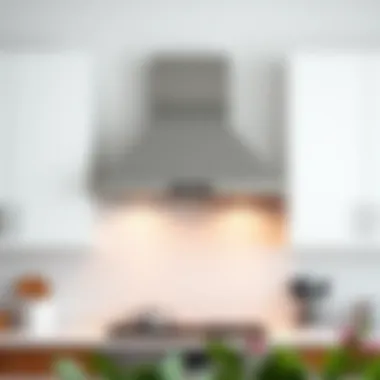
Wall-mounted range hoods are a popular upgrade for several reasons. They not only enhance the aesthetic appeal of a kitchen but also offer improved airflow. Generally mounted higher on the wall, these hoods can provide better suction power, making them suitable for more rigorous cooking tasks.
Their unique designs come in a variety of styles—from modern stainless steels to charming vintage looks—thus allowing homeowners to express their individuality. However, they usually require more installation effort and may involve higher upfront costs compared to under-cabinet options.
Island Range Hoods
Island range hoods are a striking choice designed for kitchen islands. They are often larger than other types and have a statement-making presence that can serve as a focal point of the kitchen design. These hoods usually come equipped with powerful fans, making them highly effective at removing cooking odors and smoke.
Despite their appeal, installation can be more complex, requiring adequate ceiling height and support. Furthermore, due to their size, they may necessitate a more substantial financial investment, which can be a downside for some homeowners.
Downdraft Ventilation
Downdraft ventilation is an innovative option that integrates into the cooktop or countertop. When activated, the downdraft system rises to capture smoke and odors directly at the source, offering a sleek and unobtrusive look in the kitchen. It’s particularly suitable for those who appreciate minimalist aesthetics.
Nevertheless, downdraft systems can struggle with heavy smoke and vapor if not designed adequately. They often have limitations in terms of the ventilation power compared to more traditional methods. Those considering this option must weigh its benefits against these potential drawbacks.
Overall, kitchen ventilation plays a critical role in maintaining a healthy and pleasant cooking environment. The choice between these various systems will hinge on personal style preference, kitchen layout, and the specific needs for airflow and comfort in the space.
Advantages of Wall-Mounted Range Hoods
Transitioning from under-cabinet range hoods to wall-mounted options can be a game changer for your kitchen. While both styles serve the primary purpose of ventilating cooking odors, wall-mounted range hoods bring a unique set of advantages that can enhance your cooking experience, with sleek aesthetics and improved performance.
Enhanced Airflow and Efficiency
One of the standout features of wall-mounted range hoods is their superior airflow capabilities. Unlike under-cabinet models, which can be somewhat limited by their placement, wall-mounted hoods often boast powerful motors that efficiently handle larger volumes of air—essential in today’s open-plan kitchens where cooking smells can waft freely.
This type of hood typically sits higher than its under-cabinet counterpart, effectively capturing smoke and steam before they disperse in the room. With improved airflow, you'll notice a significant decline in lingering odors. Not only does this improve indoor air quality, but it also protects your cabinetry and walls from grease and grime fallout. In short, opting for a wall-mounted range hood can increase your cooking efficiency, making that stir-fry night far more enjoyable.
Design Flexibility and Aesthetics
Various Styles and Finishes
When it comes to kitchen aesthetics, wall-mounted range hoods offer unparalleled versatility. Homeowners have a smorgasbord of styles and finishes to choose from—ranging from industrial stainless-steel to more rustic wood options. This variety allows the range hood to act as a focal point in the kitchen, blending seamlessly with or contrasting against your cabinetry.
A key characteristic of these hoods is their ability to elevate the overall look of the space. With unique designs, such as classic chimneys or sleek modern lines, they can reflect your personal taste. Their visual prominence also permits creative expression, making them a popular choice for any homeowner seeking to revamp their kitchen’s design. From polished chrome to matte finishes, the options provide a customizable approach in a way that under-cabinet hoods typically can't.
"A wall-mounted range hood isn’t just a kitchen appliance, it’s a statement piece that breathes life into the decor."
Compatibility with Kitchen Design
Furthermore, wall-mounted hoods are often more adaptable to varying kitchen layouts. Given their independent design, they can be installed in a breadth of configurations to fit the overall kitchen layout—whether high above a central island or against a flat wall. This flexibility is crucial for homeowners who may be remodelling or building a space that reflects modern living trends.
On top of that, these hoods can be harmoniously integrated with other kitchen elements, such as open shelving or decorative backsplashes. That being said, a poorly chosen hood can disrupt the flow of design, making it essential to consider colorways and shapes that match or complement existing fixtures.
Improved Suction Power
Another notable advantage of wall-mounted range hoods is their suction power. High-quality models are designed to manage hefty cooking tasks, whisking away fumes and heat with greater efficacy compared to their under-cabinet siblings. This power is vital for anyone who frequently engages in cooking that produces more smoke—think searing meats or frying dishes.
The combination of better airflow and robust suction delivers a cleaner, more comfortable cooking environment. As a result, you can cook with confidence, knowing that odors and byproducts won't linger long after dinner. Investing in a wall-mounted range hood means not just looking stylish, but functioning efficiently, too—that’s a win-win in any kitchen!
Through technology and design, wall-mounted range hoods can profoundly impact your cooking experience. When you consider these advantages, the transition becomes less about swapping one appliance for another and more a step closer to crafting the kitchen of your dreams.
Disadvantages of Wall-Mounted Range Hoods
When considering a transition to wall-mounted range hoods, it's crucial to weigh their disadvantages alongside their advantages. While these hoods can be visually stunning and effective, they aren't without their challenges. Understanding these pitfalls can help homeowners, interior designers, and architects make informed choices tailored to their specific kitchen needs.
Installation Challenges
One significant hurdle when installing a wall-mounted range hood involves the complexity of the installation process itself. Unlike under-cabinet models that typically fit directly underneath kitchen cabinets, wall-mounted hoods must be securely affixed to the wall, often requiring specialized brackets or supports.
Some homeowners may find this process daunting. If the wall isn't prepped or reinforced properly, it could lead to issues like insufficient support, which means the hood can sag or even fall over time. Homeowners might need to enlist professional help, driving up costs not merely for the hood itself, but for the labor as well. Moreover, the ductwork needs to be considered carefully. The ideal setup usually entails running ducts through walls or even ceilings, which could necessitate tearing into walls or ceilings—a messy process that many would prefer to avoid.
Potential Cost Implications
Purchase and Installation Costs
Delving deeper into costs, the purchase of wall-mounted range hoods can be an eye-opener. While the market has models that range in price from moderate to luxury, even entry-level options can be pricier than under-cabinet hoods. This higher upfront expense must also factor in installation fees if you choose to hire professionals, which can further escalate the total investment. Consider that a skilled contractor might charge a premium for the expertise required to safely and effectively install the hood.
These dual costs—purchase and labor—make it important to budget thoughtfully if you’re leaning toward this kind of ventilation solution. For instance, consider brands like Zephyr or Broan that are frequently praised for their blend of performance and aesthetic. However, their price tags could go well into the thousands when combined with installation, especially when complications arise.
Potential Renovation Needs
Beyond the immediate financial impact of purchasing and installing the hood, potential renovation needs can emerge as another hurdle. You might find that an existing kitchen layout requires modification to accommodate the new range hood. This could involve adjusting cabinetry, counter space, or even electrical work, which can become cumbersome—and costly.
If, say, your kitchen has a traditional, compact layout, a wall-mounted range hood might necessitate removing or relocating cabinets, pushing the overall project cost even higher. Hence, not only do you need to consider the range hood's purchase and installation costs, but also any additional renovations that may crop up in design modifications.
Cleaning and Maintenance Considerations
Unlike under-cabinet models which may remain somewhat unobtrusive, wall-mounted hoods tend to be more visible, highlighting any buildup of grease or grime. This visibility places a premium on regular cleaning routines, which can be a drawback for some homeowners. Many wall-mounted hoods may have removable filters that need frequent washing, and some even require specialized cleaning solutions. The idea of constant upkeep can be daunting, especially for those who love their culinary adventures but may not want to dedicate their free time to maintenance.

Ultimately, while wall-mounted range hoods boast their share of benefits—like style and improved airflow—being aware of these disadvantages helps in setting realistic expectations. Homeowners can navigate their kitchen ventilation options sensibly, gauging how well these setups align with their personal and practical needs.
Factors to Consider When Choosing a Range Hood
When it comes to upgrading your kitchen ventilation system, choosing the right range hood is crucial. It’s not merely about aesthetics; multiple factors play a significant role in the decision-making process, impacting both performance and the overall kitchen environment. Understanding these elements can help you find a range hood that fits your lifestyle, cooking habits, and design preferences.
Kitchen Size and Layout
The dimensions and layout of your kitchen are foundational factors that must influence your range hood choice. A smaller kitchen may not require a large, powerful hood, while a spacious kitchen with an open layout will need something with enhanced suction capabilities.
To start, consider the following aspects:
- Ceiling Height: A higher ceiling means you may need a more powerful range hood to maintain optimal airflow.
- Cooking Surface Size: The width of your stove should guide you in choosing the hood size. Ideally, the hood should exceed the width of the cooktop by at least a few inches on each side to efficiently capture smoke and steam.
- Traffic Flow: Ensure the placement of the hood doesn’t obstruct movement or create safety issues, especially in compact or multi-use spaces.
The right dimensions will not only provide sufficient coverage but also ensure that the hood blends seamlessly with your kitchen's layout, creating a balanced and functional cooking environment.
Ventilation Needs
Different cooking styles generate varying amounts of smoke, steam, and odors. Understanding your specific ventilation needs is essential for selecting the right range hood. For instance, if you frequently engage in high-heat cooking or deep frying, a hood with robust performance metrics is indispensable.
In evaluating your needs, consider:
- BTU Rating: The higher the BTU of your cooktop, the stronger the ventilation you require. A hood rated appropriately for your stove will aid in limiting excess humidity and cooking fumes.
- Type of Cooking: Baking might need less ventilation compared to stir-frying or grilling. Identify your cooking frequency and style to select a hood that meets those demands effectively.
- Ducted vs. Ductless Hoods: Ducted hoods tend to be more powerful as they vent out air rather than recirculating it. Assess the options to match your cooking habits and kitchen layout accordingly.
Addressing your ventilation needs directly impacts cooking comfort and air quality, leading to a healthier kitchen atmosphere.
Design Preferences
Finally, the design of your kitchen and your personal aesthetic should resonate through your choice of a range hood. Wall-mounted options bring a flair that can be tailored to a variety of styles, from modern to rustic. Take into account these elements:
- Material and Finish: Choices range from stainless steel to copper, each bringing its unique character. Consider how these materials align with the existing décor.
- Style: Whether you favor a sleek, contemporary look or a more traditional vibe, the design of the range hood should draw attention while complementing other kitchen elements, like cabinetry and countertops.
- Color Coordination: Matching colors can create a cohesive look, yet a contrasting hue can serve as a statement piece.
"The right range hood not only serves a functional purpose but also elevates the kitchen’s aesthetic appeal."
Being mindful of these design preferences can lead to a well-integrated look that enhances not just functionality but the overall beauty of your kitchen.
Installation Process for Wall-Mounted Range Hoods
When it comes to upgrading from under-cabinet range hoods to wall-mounted alternatives, understanding the installation process is critical. This procedure not just defines how well the new hood will function but also plays a significant role in achieving the desired aesthetic appeal of your kitchen.
One key factor is ensuring that the range hood is correctly positioned and securely installed. A poorly mounted hood might not just detract from the overall look of the kitchen but can fall short in terms of effective ventilation. Thorough knowledge of the installation process shares a clear vision, streamlining the entire experience while minimizing the risk of costly mistakes.
Tools Required
Before diving into the installation, having the right tools is essential. Here's a quick rundown of what you will need:
- Drill: A power drill helps make holes for mounting brackets.
- Level: Ensures the hood is straight when mounted.
- Tape Measure: Accurate measurements will guarantee proper fitment.
- Screwdriver: For securing screws and brackets.
- Stud Finder: Helps locate wall studs for secure installations.
- Safety Glasses: Protect your eyes while working.
Gathering all these tools will save you time and effort later on, avoiding multiple trips back to the hardware store.
Step-by-Step Installation Guide
A successful installation of a wall-mounted range hood requires careful planning and execution. Here's a step-by-step guide to walk you through the process:
Preparing the Area
Preparing the area is the first step that sets the stage for a smooth installation. Clear space around the kitchen stove and ensure all appliances nearby are unplugged if necessary. This not only increases safety but also provides you ample room to maneuver while working.
A key characteristic of preparing your area includes ensuring any obstacles, such as cabinetry or wiring, are out of the way. This is a wise choice in this article, as it allows for a clean and unobstructed installation process. Once the space is clear, some folks even color-code or label cables and hoses. This unique feature helps keep everything organized, reflecting a level of professionalism in your DIY undertaking. Without proper preparation, however, you may find unexpected hindrances during installation, not to mention that it can lead to frustration.
Mounting the Hood
Once the area is prepared, the next step is mounting the hood. This usually involves placing it at a specific height above the cooktop, often recommended at 24 to 30 inches for optimal effectiveness and safety. The alignment has to be precise; a crooked installation could not only look odd but might also affect the functionality.
The characteristic of mounting a versatile range hood allows for adjustment according to your kitchen's unique height and layout needs. This is valuable, especially as it ensures the hood works efficiently to capture smoke and odors. It’s also a practical choice highlighted in this article, as proper mounting lets your kitchen maintain an airy environment. A feature worth mentioning is that many mount types come with adjustable mounts, making this process easier and more convenient.
Connecting the Ductwork
Lastly, connecting the ductwork is vital for achieving the best performance from your wall-mounted range hood. Proper ducting allows smoke and grease to be channeled outside, which is essential for maintaining air quality in your home.
A key aspect of ductwork connection is ensuring that there are no sharp turns or bends, as these can reduce airflow effectiveness. This careful consideration is what enhances the overall goal of achieving an efficient and functional wall-mounted hood. It can be tempting to cut corners here, but doing so will just bite you later on when the hood does not function as intended.
Keeping an eye on the tightness of seals and connections will help prevent any leaking, which could ultimately undermine the efficiency of your range hood. Investing time in this connection step will provide beneficial results, ensuring you can enjoy a smoke-free cooking experience without compromising air quality at home.
By taking these steps, homeowners and DIY enthusiasts alike can successfully transition from under-cabinet range hoods to wall-mounted options with ease.
Design Tips for Wall-Mounted Range Hoods

When it comes to selecting a wall-mounted range hood, design plays a crucial role in both functionality and aesthetics. A well-chosen hood doesn’t just clear the air; it can also elevate the entire kitchen aesthetic. Here are some important aspects to consider, ensuring that the hood seamlessly integrates into the space while being efficient.
Incorporating Lighting Solutions
Proper lighting can transform the cooking experience, and incorporating it into your wall-mounted range hood is an excellent way to enhance usability and style. A practical solution includes integrated lighting options which offer illumination directly over the cooking surface. This can be particularly handy during late-night cooking sessions or when preparing meals in dim light. The right type of lighting can also serve as a design element, drawing attention to the range hood itself.
- LED Lights: These are energy-efficient and available in various tones, from warm to cool. They can highlight the kitchen’s decor while providing adequate visibility.
- Dimmable Options: Having control over the light intensity can help set the right mood for your kitchen during gatherings or more private dinners.
- Accent Lighting: Consider illuminating the hood as a feature. Under-cabinet or shelf-mounted lights can cast a glow that further enhances the overall kitchen design.
Balancing Style with Functionality
A balance between style and practicality is key when selecting a wall-mounted range hood. While one may lean towards a sleek, minimalist design, it's imperative to ensure that it doesn't compromise its primary role—efficient ventilation. Here are some tips to ensure style does not overshadow function:
- Size Appropriateness: The size of the hood should be proportional to the cooking appliance below it. A hood that’s too small may not perform as needed, while one that’s too large can dominate the visual landscape of the kitchen.
- Material Considerations: Stainless steel is a common choice due to its durability and ease of cleaning. However, options like glass or custom materials can add a unique flair, keeping in mind that they must withstand the heat and grease often found in kitchens.
- Design Cohesion: Ensure that the hood complements the existing kitchen style. Whether it's modern, rustic, or traditional, picking a range hood that aligns with the kitchen’s theme helps create a cohesive look.
Ultimately, selecting a wall-mounted range hood is not just a functional decision, but also a creative one. With thoughtful consideration of lighting and style, homeowners can enhance both the efficiency and appearance of their kitchens. This careful planning results in a space that not only serves its purpose but also reflects personal taste and design vision.
Cost Analysis of Upgrading Range Hoods
In any home renovation, understanding costs is paramount. Cost analysis of upgrading range hoods requires a deep dive into both short-term investments and long-lasting savings. Changing from under-cabinet models to wall-mounted options isn't merely a style switch; it’s a financial decision that can have significant implications for your kitchen’s functionality, efficiency, and aesthetic appeal. Dedicating time to this analysis helps homeowners, designers, and DIY enthusiasts make an informed choice that aligns with their budgets and future needs.
Initial Investment vs. Long-term Savings
When contemplating a transition to wall-mounted range hoods, initial costs often stand out as a hurdle. Prices for wall-mounted models can vary widely, generally starting from around $200 and peaking at several thousand dollars depending on features like ventilation power, noise level, and aesthetic design. It’s crucial to consider the following:
- Purchase Price: Higher-end models generally offer better performance and might come with advanced features that can justify their price tags. Look for hoods with energy-efficient motors and improved airflow.
- Installation Costs: Installation can involve labor costs, ductwork adjustments, or even electrical work. Hiring a professional could run up to an additional $500 to $2,000, depending on complexity. For the confident DIYer, it's possible to cut costs here, but challenges can arise, especially with customization.
- Renovation Needs: If your kitchen layout changes, there may be expenses beyond the hood itself—think new cabinetry or alterations to countertops.
On the flip side, the long-term savings** from an efficient wall-mounted range hood can often outweigh these initial costs.
- Energy Consumption: Modern wall-mounted hoods are designed for efficiency, potentially lowering your electrical bills. An efficient, well-ventilated kitchen uses less energy than a poorly ventilated space, decreasing your overall utility expenses.
- Improved Air Quality: Investing in a decent model not only elevates your cooking experience but also safeguards your home from cooking odors and grease buildup, possibly prolonging the life of your cabinetry and appliances.
"A well-ventilated kitchen is not just about style; it’s about preserving your home’s integrity and comfort over time."
Return on Investment Considerations
Deciding to invest in a wall-mounted range hood isn't merely about upfront costs; ROI plays a critical role in the decision-making process. Here’s how to evaluate it properly:
- Home Value Increase: A new range hood can enhance the overall value of your property. Prospective buyers often notice kitchens first, and having an aesthetically pleasing, functional range hood can be a selling point.
- Feature Set: Models with additional features, like built-in lighting, smart controls, or integrations with home automation systems, can further sweeten the deal when time comes to sell.
- Durability and Lifespan: Higher-quality range hoods tend to last longer and require less frequent replacements. This durability adds to your investment’s value, saving you from the hassle and expense of buying a new unit in a few years.
Investing time and resources in understanding these aspects will go a long way in ensuring that your transition from under-cabinet to wall-mounted range hoods is not only aesthetically pleasing but financially sound as well.
Sustainability Considerations
In today's world, the importance of sustainability cannot be overstated, especially for homeowners and designers who are increasingly mindful of their environmental footprint. When transitioning from under-cabinet range hoods to wall-mounted options, it’s critical to factor in sustainability considerations. This means looking beyond mere aesthetics or functionality. Instead, it emphasizes the role these appliances play in promoting eco-friendliness in the kitchen.
Energy Efficiency Ratings
An essential aspect of sustainability is energy efficiency. Wall-mounted range hoods often come equipped with advanced technology designed to maximize airflow while minimizing energy consumption. With energy-efficient models, not only do homeowners reduce their utility bills, but they also lessen their overall environmental impact.
When evaluating energy efficiency, look for the ENERGY STAR label. This certification indicates the appliance meets strict energy efficiency guidelines set by the U.S. Environmental Protection Agency. Choosing a range hood that boasts high energy efficiency ratings can lead to significant savings in energy costs over time. Here are some benefits associated with opting for energy-efficient models:
- Lower Energy Bills: These devices consume less energy, adding up to noticeable reductions in monthly bills.
- Reduced Carbon Footprint: Using less electricity helps decrease greenhouse gas emissions.
- Longer Lifespan: Many energy-efficient appliances are built for durability, offering long-term benefits.
By prioritizing models with favorable energy ratings, homeowners take a proactive step towards a more sustainable kitchen environment.
Material Choices for Eco-Friendly Options
The materials used in wall-mounted range hoods can also play a pivotal role in sustainability. Many modern range hoods are crafted from materials that not only enhance performance but also align with eco-friendly trends.
For instance, stainless steel is a common choice known for its durability and recyclability. Here are a couple of options to consider:
- Recycled Materials: Some manufacturers are now creating range hoods from recycled metals and plastics, which help reduce waste and minimize resource consumption.
- Bamboo or Sustainable Wood: While less common, some range hoods incorporate eco-friendly woods like bamboo, providing a unique aesthetic that is both stylish and less harmful to the planet.
Ultimately, the choice of materials contributes to the environmental sustainability of using wall-mounted range hoods. By selecting options designed with sustainability in mind, homeowners can make informed decisions that reflect their values and commitments to the planet.
"Sustainable design is not just about taking resources; it's also about reducing what goes into the environment. Every purchase counts toward a greener planet."
When transitioning to wall-mounted options, consider the interplay of energy efficiency and materials. Together, these elements create not just a ventilated space but also a contributing factor towards a healthier planet.
Finale
Transitioning to wall-mounted range hoods comes with its own set of advantages and challenges. Understanding the key takeaways around range hood selection allows homeowners and designers to make sound decisions that reflect both functionality and aesthetics. As detailed in the previous sections, the increased airflow, flexibility in design, and improved suction power offered by wall-mounted options showcase why many are gravitating towards these alternatives. However, it’s also vital to weigh potential issues, such as installation complexity and cost implications.
Key Takeaways on Range Hood Selection
- Evaluate Your Kitchen Layout: Measure your kitchen space and assess your ventilation needs before committing to a range hood type. An ill-fitting hood can lead to inefficiencies.
- Consider Style and Finish: Wall-mounted hoods come in a variety of styles that can elevate the look of your kitchen. Choose one that complements your cabinetry and overall design.
- Focus on Airflow: Higher CFM ratings generally mean better ventilation. Pick a wall-mounted hood that matches or exceeds your current needs to maintain optimal air quality.
- Future-Proof Your Choice: Think ahead. If you're planning kitchen renovations, consider how the range hood will blend with upcoming designs.
Final Thoughts on Upgrading Your Kitchen
As you contemplate upgrading your kitchen, remember that the range hood serves as a critical component of your cooking area. It's not just about removing smoke and odors; it's about enhancing your overall cooking experience and making a statement in your home. A sleek wall-mounted range hood can be the focal point that ties together functionality with elegance.
"The right range hood not only improves air quality but can also transform your kitchen into a space that you are proud to showcase."
Approaching this upgrade thoughtfully involves considering your culinary habits, the space available, and your budget. Investing in a quality wall-mounted range hood can lead to long-term benefits, including energy efficiency and improved kitchen dynamics. Gather information, consult professionals if needed, and make a choice that aligns with your personal style and practical requirements.
For further insight, you can explore resources from:Wikipedia on Kitchen Ventilation, Britannica on Kitchen Design, and community discussions on Reddit.